
Smart snacking tips for managing diabetes
Collaborative Post
Managing diabetes doesn’t mean giving up enjoyable foods or feeling uncertain about every snack. With a little planning, smart snacking can help support steady blood sugar levels, reduce hunger between meals, and make it easier to maintain a balanced diet. This can be especially helpful for older adults, who may benefit from eating smaller, nutritious meals and snacks throughout the day.
This guide offers practical advice on incorporating healthy snacks into a diabetes management plan, helping you make informed food choices for yourself or someone you care for.
Understanding Diabetes and Diet
Diabetes changes how the body turns food into energy. For many older adults, managing blood sugar can become more challenging due to factors such as medication, reduced activity levels, or other health conditions, making everyday food choices especially important. When carbohydrates are eaten, the body breaks them down into glucose (sugar), which enters the bloodstream. In people without diabetes, insulin helps move this glucose into the body’s cells to be used for energy. With diabetes, however, this process doesn’t work as effectively, causing blood sugar levels to become harder to manage.
The goal of a diabetes-friendly diet is to keep blood glucose levels within a healthy target range. This doesn’t mean cutting out carbohydrates completely. Instead, it’s about choosing nutritious foods, managing portion sizes, and eating balanced meals at regular times. Following healthy eating habits can support better blood sugar control and contribute to long-term health and well-being.
The Importance of Regular Meals
Consistency is especially important for older adults managing diabetes, as regular meals can help maintain stable blood sugar levels and support energy throughout the day. Older adults who skip meals may be more likely to experience blood sugar fluctuations, making a consistent eating routine especially important.
Often, after a low, your blood sugar will spike when you finally eat, and sometimes you might even overeat because you’re so hungry. Sticking to a predictable routine of three main meals creates a stable base, helping you avoid those extreme highs and lows that can make managing diabetes so hard.
Snacking for Stable Blood Sugar
A small, nutritious snack between meals can stop blood sugar from dropping too low, curb hunger, and make you less likely to overeat at your next meal.
The trick is to think of snacks as ‘mini-meals’ instead of just mindless eating. Pick them carefully so they provide lasting energy and a good balance of nutrients. It’s helpful to keep healthy, convenient options on hand, whether that’s a piece of fruit, a small pot of yoghurt, or a handful of nuts. If you enjoy savoury snacks, high-protein crisps can be a convenient alternative to traditional crisps, offering extra protein while satisfying crunchy snack cravings. Choosing snacks with more protein may also help you feel fuller between meals than many standard crisp varieties.
Choosing Low GI and High Protein Options
When you’re picking snacks, two things are especially important: the Glycaemic Index (GI) and how much protein they have. The GI ranks foods with carbs based on how quickly they raise blood glucose levels. Foods with a low GI are digested more slowly, so your blood sugar goes up more gradually.
Pairing carbohydrates with protein is particularly beneficial for older adults, as protein supports muscle maintenance, helps slow digestion, and promotes steadier blood sugar levels. It can also help you feel fuller for longer, making it easier to manage your appetite. Many simple tips for eating well can help you use these ideas.
Good snack choices include:
- A small apple with a spoonful of peanut butter
- A handful of unsalted almonds or walnuts
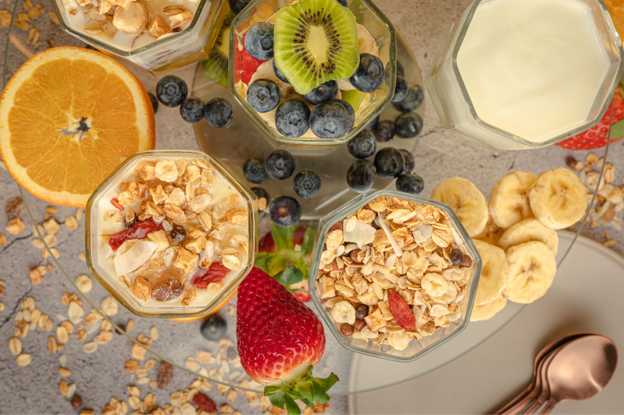
- Plain Greek yoghurt with a few berries
- Vegetable sticks (carrots, cucumbers, peppers) with hummus
- A hard-boiled egg
Practical Tips for Caregivers
Supporting someone with diabetes means more than just knowing what foods are best. It also takes organisation and good communication.
- Plan and Prep: Divide snacks into small bags or containers ahead of time. This makes it easy to grab a healthy option and helps with portion control.
- Read Labels: Get in the habit of checking the nutrition facts on packaged foods. Pay close attention to the carbs and sugar.
- Create a ‘Safe Snack’ Zone: Keep a specific cupboard or shelf in the fridge stocked with approved snacks. This takes away the guesswork and makes it less tempting to reach for unhealthy options.
- Stay Hydrated: Encourage drinking plenty of water throughout the day. Sometimes thirst can feel like hunger.
- Communicate: Talk to the person you’re caring for about what they like. Managing a restricted diet is easier when they genuinely enjoy the food.
Planning ahead and choosing nutrient-rich snacks can make it easier to support an older loved one in maintaining stable blood sugar while still enjoying a varied and satisfying diet.
This article is for information only. If you have any concerns about your health or that of your loved ones, please consult your expert medical practitioner.
Image Credit: Pexels