
What Makes a Great Dementia Care Plan?
Collaborative Post
Living with dementia is a deeply personal journey, and the right care plan can make all the difference in maintaining quality of life, dignity, and connection to the people and things that matter most. A truly exceptional dementia care plan goes far beyond managing symptoms – it’s a thoughtfully crafted roadmap that honours who the person is, anticipates their needs, and creates an environment where they can continue to thrive.
Whether you’re navigating a recent diagnosis or looking to refine existing care arrangements, understanding what makes a care plan truly effective is essential. A great dementia care plan combines clinical expertise with genuine empathy, personalisation with structure, and medical support with emotional nourishment.
Understanding the Foundation of Dementia Care
Before exploring what makes a care plan great, it’s important to understand what dementia care actually means. Dementia is not simply about memory loss – it’s a progressive condition that affects cognitive abilities, communication, behaviour, and emotional wellbeing. Each person experiences dementia differently, shaped by their unique personality, life history, and individual needs.
Effective dementia care recognises this complexity. It’s designed to support emotional and physical wellbeing, helping individuals maintain their identity, dignity, and independence for as long as possible. This means moving beyond one-size-fits-all approaches and instead creating bespoke support that speaks to who that person is, not just the condition they’re living with.
The best care plans are developed collaboratively, bringing together the person living with dementia (where possible), their family members, healthcare professionals, and care specialists. This partnership ensures that the plan reflects not just clinical best practice, but also the values, preferences, and priorities of the individual and those closest to them.
The Essential Elements of a Personalised Dementia Care Plan
A comprehensive dementia care plan should address several key areas. Let’s explore what makes each element truly effective.
Medical and Clinical Support
A solid foundation begins with thorough medical assessment. This includes understanding the type of dementia, any co-existing health conditions, current medications, and potential future care needs. Regular reviews with healthcare professionals ensure that the care plan evolves as the person’s needs change.
However, clinical care extends beyond medication management. It encompasses preventative health measures, nutritional support, physical activity tailored to ability, and monitoring for pain or discomfort – which can sometimes be expressed through behaviour rather than words. A great care plan anticipates these needs and responds proactively.
Cognitive and Emotional Support
The cognitive changes that come with dementia can be frightening and frustrating. A well-designed care plan includes strategies to support mental stimulation, memory, and communication in ways that feel natural and enjoyable. This might include activities that engage the mind, reminiscence therapy, creative pursuits, or simply meaningful conversations.
Equally important is emotional support. Many people living with dementia experience anxiety, depression, or emotional distress. A thoughtful care plan recognises these feelings and provides consistent, compassionate responses. This includes:
- Maintaining familiar routines that provide comfort and orientation
- Creating opportunities for meaningful social connection
- Offering reassurance and validation of feelings
- Supporting the person to maintain important relationships with family and friends
Environmental Design and Comfort
The physical environment plays a crucial role in dementia care. A person living with dementia benefits enormously from spaces that are safe, calming, and familiar. This includes thoughtful design elements such as clear signage, good lighting, accessible bathrooms, and outdoor spaces for gentle activity.
But environment extends beyond safety features. It’s about creating a space that feels like home – with comfortable furnishings, personal belongings, artwork, and touches that reflect the individual’s life and interests. When someone feels physically comfortable and emotionally at ease in their surroundings, their overall wellbeing improves significantly.
Personalisation: The Heart of Excellent Care
What truly distinguishes a great dementia care plan from an adequate one is the depth of personalisation. This means taking the time to genuinely understand the person – their life story, their values, their preferences, their habits, and what brings them joy.
A truly personalised approach involves:
- Life history work: Understanding the person’s career, relationships, hobbies, achievements, and what mattered most to them
- Preference mapping: Identifying how they like to spend their time, what foods they enjoy, their preferred routines, and their communication style
- Relationship preservation: Creating structures that allow them to maintain meaningful connections with family and friends
- Meaningful activity: Designing daily activities that align with their interests and abilities, not just generic “programming”
When care plans are built on this foundation of deep understanding, something remarkable happens. The person living with dementia often becomes calmer, more engaged, and more like themselves. Staff can anticipate needs, prevent crises, and create moments of genuine connection and joy.
Communication and Flexibility
A great dementia care plan is never truly “finished”. It’s a living document that evolves as the person’s needs change and as care teams learn more about what works best for them.
This requires excellent communication between all parties involved in the person’s care. Regular reviews should bring together family members, care staff, healthcare professionals, and the person themselves (where appropriate) to reflect on what’s working, what could be improved, and how to adjust the plan accordingly.
Flexibility is equally crucial. Dementia is progressive, and the person’s abilities, preferences, and needs will shift over time. A care plan that can adapt – whether that’s adjusting activity levels, modifying communication approaches, or changing medication – ensures that the person continues to receive the most appropriate support at each stage of their journey.
The Role of Family and Loved Ones
Family members often provide invaluable insight into the person living with dementia. They know their history, their personality, their preferences, and what brings them comfort. A great care plan actively involves families and loved ones, valuing their knowledge and ensuring they feel supported and informed.
This partnership approach has multiple benefits. It means the care plan is richer and more nuanced. It helps family members feel reassured and connected to their loved one’s care. And it often reduces anxiety and stress for everyone involved – the person with dementia, their family, and the care team.
Families should feel welcomed to share observations, ask questions, and contribute to decisions about care. They should also feel supported themselves, with access to information, guidance, and emotional support as they navigate this challenging time.
Creating a Care Plan That Works
So what does the practical process of creating a great dementia care plan look like? It typically involves several stages:
- Initial Assessment: A comprehensive evaluation of the person’s physical health, cognitive abilities, emotional state, medical history, and personal preferences
- Collaborative Planning: Working together with the person, family members, and healthcare professionals to identify goals, preferences, and priorities
- Documentation: Creating a clear, detailed plan that outlines the person’s needs, preferred approaches, daily routines, medication, activities, and emergency protocols
- Implementation: Ensuring all care staff understand and follow the plan, with consistent training and communication
- Ongoing Review: Regular check-ins to assess how well the plan is working and make adjustments as needed.
The Difference a Great Care Plan Makes
The impact of a truly excellent dementia care plan extends far beyond the individual living with dementia. It reduces anxiety and stress for families who know their loved one is receiving thoughtful, personalised care. It helps care staff feel confident and supported in their work, knowing they understand the person they’re caring for. And it often leads to better health outcomes, fewer behavioural challenges, and a higher quality of life overall.
A great care plan creates space for dignity, connection, and even joy – even as dementia progresses. It acknowledges the person’s inherent worth and their right to live as fully as possible within the constraints of their condition.
Finding the Right Support
Creating and maintaining an excellent dementia care plan requires expertise, compassion, and resources. Whether someone is being cared for at home or in a residential setting, it’s important to ensure they have access to professionals who understand dementia deeply and who approach care with both clinical excellence and genuine empathy.
If you’re seeking dementia care support in London, it’s worth exploring options that prioritise personalised, person-centred approaches. When researching care homes in London, look for providers who invest time in understanding each resident as an individual, who involve families in care planning, and who demonstrate a commitment to maintaining dignity, independence, and quality of life.
Moving Forward with Confidence
A diagnosis of dementia can feel overwhelming, but with the right care plan in place, it’s possible to navigate the journey with greater confidence and peace of mind. The key is ensuring that care is personalised, flexible, compassionate, and built on a foundation of genuine understanding of the individual.
If you’re currently developing or refining a dementia care plan for someone you care about, remember that taking the time to get it right at the outset – and to review and adjust it regularly – is one of the most valuable investments you can make in their wellbeing and quality of life.
For additional guidance on dementia care planning, the Alzheimer’s Society offers comprehensive resources and support for individuals and families navigating dementia.
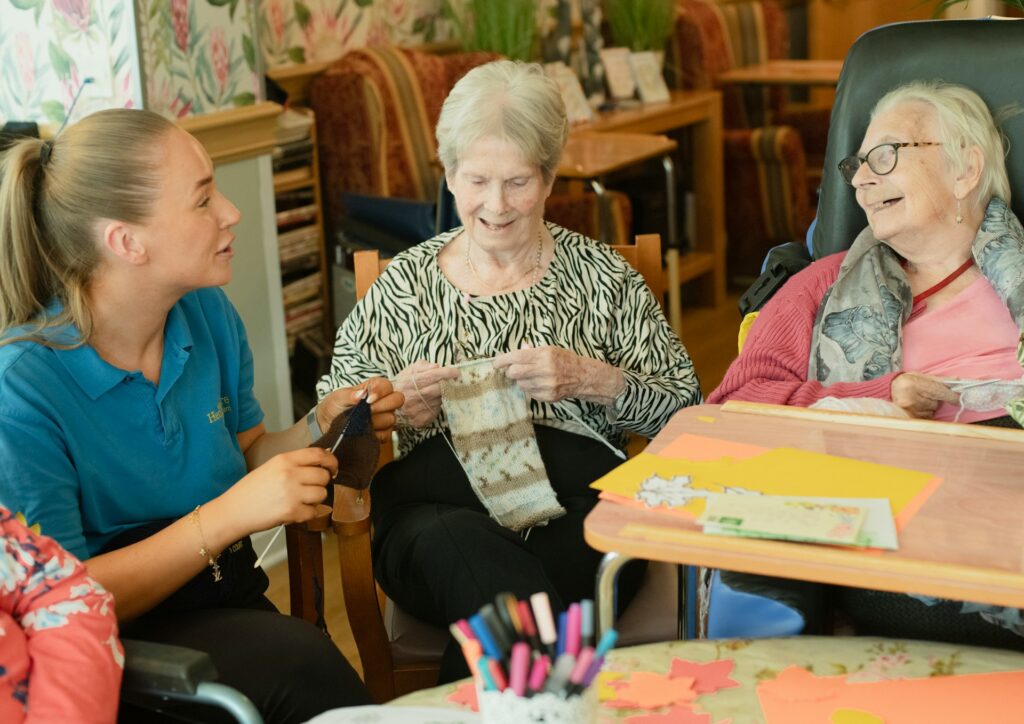
Photo by Age Cymru on Unsplash