
What are the benefits of hearing aids for memory and protection against dementia?
We’ve seen research looking at how important being able to hear well enough to enjoy conversations, or listening to TV, radio and podcasts, and even just hearing everyday sounds can be to a well-lived older age.
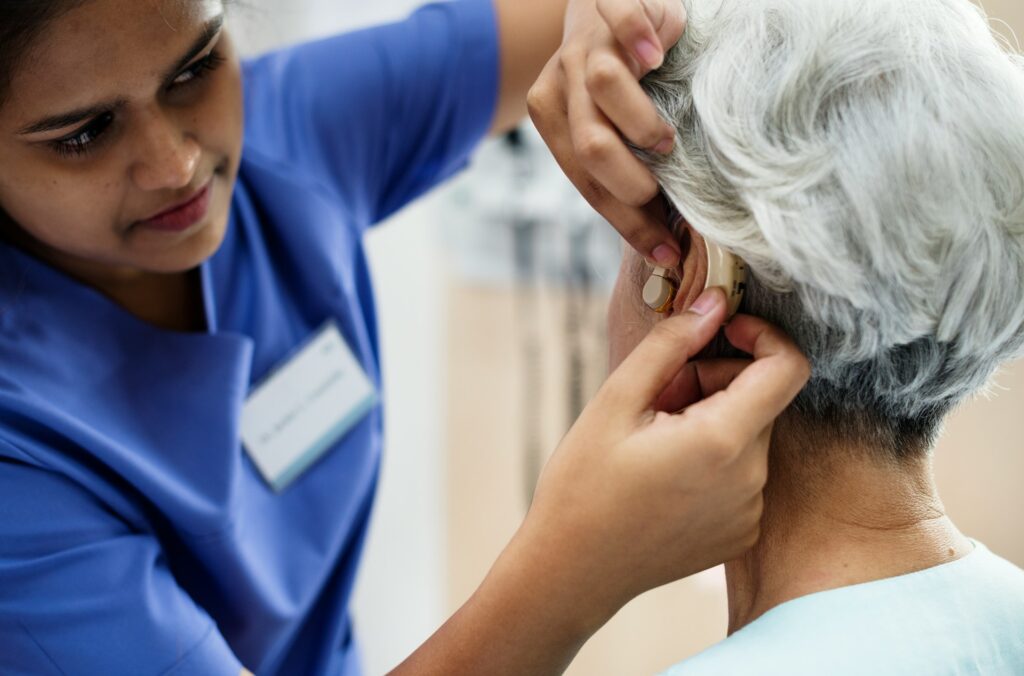
Now recent research looking specifically at hearing aids and the mind has suggested that hearing aids may not dramatically improve memory or thinking skills, but they could play an important role in reducing the risk of dementia over time.
A large study following nearly 2,800 older adults over seven years found that people who were prescribed hearing aids were less likely to develop dementia, even though their overall memory and thinking test scores were similar to those who didn’t use hearing aids.
In simple terms, hearing aids didn’t make people noticeably sharper on day-to-day memory or thinking tests, but they did seem to protect brain health in the long run.
By the end of the study, the risk of developing dementia was about one-third lower in people who had hearing aids compared with those who didn’t. The risk of developing more general cognitive problems was also lower — around 15% less.
Researchers described this link as ‘striking’, even though they don’t yet fully understand why it happens.
One likely reason is that untreated hearing loss can lead to social withdrawal, reduced mental stimulation, and increased strain on the brain – all of which are known to raise dementia risk. By improving hearing, hearing aids may help people stay socially engaged, mentally active, and connected to the world around them.
The study also found that people who used their hearing aids more regularly had an even lower risk of dementia and cognitive decline.
Hearing loss has already been identified by The Lancet as one of the most important risk factors for dementia, making it one of the few risks that can potentially be addressed later in life.
The takeaway is reassuring and practical: addressing hearing loss may be a simple, everyday step that helps protect the brain, even if the benefits aren’t immediately obvious.
This post is based on an article originally published on Medscape, ‘Striking Impact of Hearing Aids on Dementia Risk, 22 January 2026,and has been edited with help from ChatGTP.
You may like to read:
Image from Unsplash+