
The Science of Recovery After Injury in Older Bodies: What Families Need to Know
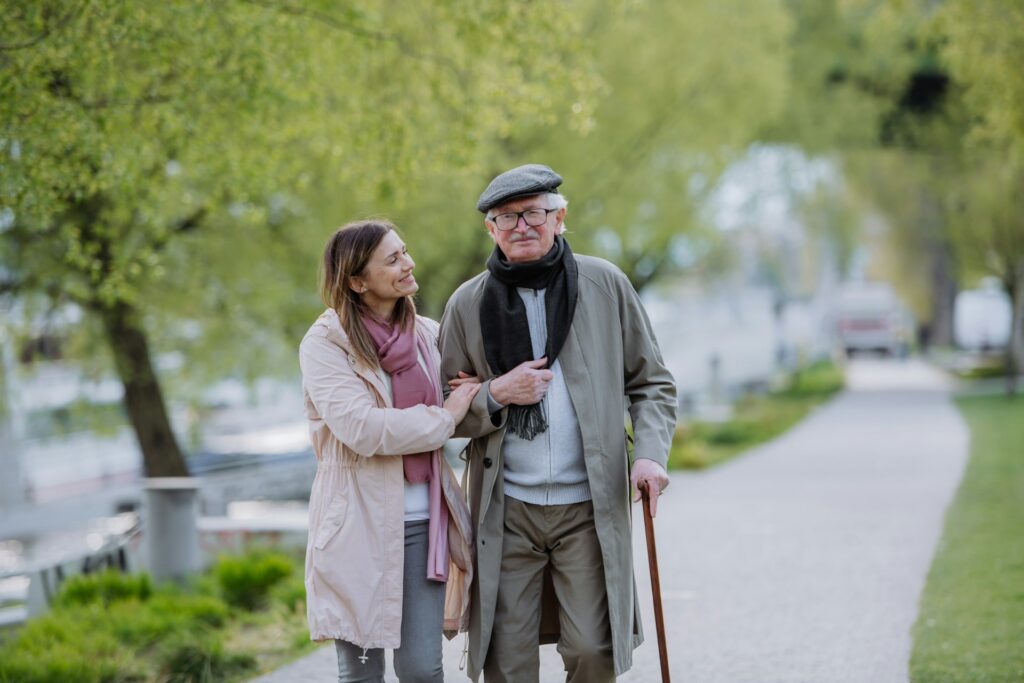
How long should healing take in an older person when they’ve suffered a fall fracture or injury? It might seem to be taking longer than expected, and you might worry whether they’re progressing normally. Understanding why older bodies heal differently, and what you can do to support recovery, can help you turn anxiety into effective action. Dr Antti Rintanen explains the science and the practical steps you can take.
Why Does Healing Take Longer as We Age?
The simple truth is that all aspects of wound and fracture healing slow down with age.[1] This isn’t just about “getting older” – there are specific biological changes happening at the cellular level that affect every stage of recovery.
My clinical observations mirror what research has consistently shown: aging negatively influences the cellular, vascular, structural, and signaling mechanisms essential for tissue repair.[2] The process is not lost, but slowed – much like an orchestra performing at a gentler pace, reaching the same conclusion over a longer time.
Bone recovery is especially fragile to these physiological changes. Fracture healing in elderly patients shows these delays particularly clearly, with older patients facing higher risks of delayed healing or non-union (when bones fail to heal properly).[3]
What’s the Recovery Window Families Often Miss?
Here’s what many patients’ families don’t realize: the first days after an injury represent a critical window when the body launches its healing response. Normal wound healing progresses through four overlapping phases: hemostasis (0-several hours), inflammation (1-3 days), proliferation (4-21 days), and remodeling (21 days-1 year).[8]
During the inflammatory phase, the body sends specialized cells to clean up damaged tissue and prepare for rebuilding.[1] In older adults, this inflammatory response is often delayed or less robust, which means the transition into the next healing phases takes longer. What’s the practical implication? What you do in those first few days – ensuring adequate nutrition, managing pain appropriately, and supporting gentle mobilization – can significantly influence the entire healing trajectory.
The proliferation phase, when new tissue actively forms, typically begins around days 4-5 and can last up to 2-3 weeks.[8] This is when protein requirements surge and nutritional support becomes absolutely critical.
How Can You Tell Normal Recovery Pain from Warning Signs?
This is often the question that causes families the most anxiety. In caring for patients, I’ve found it helpful to frame recovery in practical terms. Normal healing usually looks like the following.
Normal recovery typically involves:
- Gradual improvement in pain levels over days to weeks
- Swelling that slowly decreases
- Increasing ability to use or bear weight on the affected area
- Pain that responds to prescribed pain relief
Seek medical assessment if you notice:
- Pain that worsens after initially improving
- Increasing redness, warmth, or swelling around the injury site
- Fever above 38°C (100.4°F) or feeling generally unwell
- Wound discharge that becomes cloudy, foul-smelling, or increases in volume
- New numbness or tingling beyond the immediate injury area
- Inability to move or bear weight when previously possible
The key clinical principle: healing should show consistent progress, even if the recovery is slow. Any reversal of improvement warrants professional evaluation.
What Nutritional Support Actually Accelerates Healing?
In clinical practice, poor nutritional status is one of the most modifiable factors contributing to delayed healing in older patients. During wound healing, protein requirements rise substantially to meet the increased amino acid demands of collagen synthesis, immune function, and tissue repair.[9]
Practical recommendations for families
In practice, these targets often require deliberate planning, as appetite is frequently reduced during illness or recovery. Small, protein-dense meals spread across the day are usually more achievable than large portions, and energy intake must be sufficient to prevent the body from using protein as fuel rather than for tissue repair.
Current guidelines recommend 1.25-1.5 grams of protein per kilogram of body weight daily for older adults with wounds or pressure ulcers.[10] For a 70kg (11 stone) person, this translates to 88-105 grams of protein daily – roughly equivalent to three palm-sized portions of meat, fish, or poultry spread throughout the day, plus dairy products.
Energy requirements increase during periods of acute injury, surgery, or active wound healing, when metabolic demands rise to support inflammation, tissue synthesis, and immune function. In older adults at risk of malnutrition, commonly used targets are approximately 30–35 kcal per kilogram of body weight per day during recovery.[4] Adequate hydration remains essential – often estimated at around 30 ml per kilogram daily – though this can be difficult to achieve in older adults due to a diminished thirst response.
Correcting vitamin D deficiency is important for bone health. Evidence that routine vitamin D supplementation prevents fractures is mixed, with benefits more consistent in people with low intake or deficiency, particularly when vitamin D is combined with calcium.[7] General guidelines recommend at least 1000mg calcium and 800 IU vitamin D daily for older adults recovering from fractures.[6]
When and How Should Movement Begin?
Movement is necessary, especially for elderly patients. The fear of re-injury often keeps both patients and families too cautious about movement. Yet prolonged immobility carries its own serious risks in older adults including rapid muscle loss, blood clots, pneumonia, and the dreaded “deconditioning spiral” where weakness begets more weakness.
Physical exertion should be increased in increments. The principle of progressive loading means gradually and safely increasing stress on healing tissues. The specific timeline depends entirely on the type and location of injury, which is why following your medical team’s guidance is essential.
General principles families can support
It’s advisable to start with gentle, pain-limited movements as soon as medically cleared, which is often within days, not weeks. For fractures, this might mean moving joints above and below the injury site while the fracture itself remains protected. For surgical wounds, it might mean walking short distances multiple times daily.
The goal isn’t to “power through” pain, but rather to work just up to the point of mild discomfort, then stop. Pain that persists more than 2 hours after activity, or pain that increases the next day, suggests you’ve probably done too much.
How Do You Prevent the “Deconditioning Spiral”?
In my practice, deconditioning – the rapid loss of strength, stamina, and functional independence following injury or illness – is one of the most concerning and impactful complications I see in older adults. Research demonstrates that muscle strength can decline by 2-5% per day during bed rest, with the most predictable effects seen in the musculoskeletal system.[5]
Prevention strategies can include:
- Maintain as much normal routine as possible, even if modified
- Ensure the person gets out of bed and dressed daily
- Set achievable daily goals (walking to the bathroom independently, sitting at the table for meals)
- Celebrate small wins – improvement might be measured in steps, not miles
- Consider physiotherapy referral early, not after problems develop
What About Falls Risk During Recovery?
In my clinical experience, falls are among the most common causes of injury in older adults, and the recovery period itself often carries an even higher risk. Pain, medication effects, reduced strength, and changes in mobility can all substantially increase the likelihood of further falls. For this reason, falls prevention during recovery is not optional – it is essential.
Practical interventions include:
- Remove trip hazards (loose rugs, clutter, electrical cords)
- Ensure adequate lighting, especially for night-time bathroom trips
- Install grab rails in bathroom and by stairs
- Review medications with GP (many common drugs increase falls risk)
- Ensure proper footwear – no slippers without backs, no walking in socks
- Consider a pendant alarm system
Supporting Your Parent Through the Long Game
I often see recovery from significant injury in older adults take months rather than weeks. The remodeling phase of healing – during which collagen is reorganized and tissue gradually regains strength – can continue for a year or longer.[11]
Your role as a family member isn’t to manage the medical details – that’s for healthcare professionals. Your role is to:
- Ensure consistent nutrition and hydration
- Support appropriate, gradual increases in activity
- Monitor for warning signs requiring medical attention
- Prevent social isolation and depression during recovery
- Advocate for your parent if they’re not progressing as expected
Remember that while aging does slow healing, older adults can and do recover successfully from injuries. Understanding the science behind recovery helps you set realistic expectations while taking concrete actions that genuinely accelerate healing.
About the Author
 Dr. Antti Rintanen is a licensed medical doctor and former world champion in Taekwon-Do, with a strong interest in translating medical knowledge into clear, practical guidance for everyday life. He writes about broad health and social issues affecting everyday family — from stress management and sleep habits to practical medical topics such as athlete blood tests and supportive tools for back pain.
This article is for information only. If you have any health concerns about an older family member, please support them to consult their health practitioner.
Image: Getty Images on Unsplash+