
6 Tips to Find Accessible Options in Your Daily Life
Collaborative Post
The term ‘accessibility’ means many things to many people. But as a person grows older it can symbolise the difference between leaving the house and feeling trapped indoors.
There are a myriad of resources available that are invaluable for checking the accessibility of a space, and many ways to make sure that a venue has an elderly or disabled person at the forefront of their mind.
If you’re hoping to find top quality accessible options, here are six to get you started.
Euan’s Guide
One of the more invaluable resources on the internet, Euan’s Guide is an award-winning disabled access charity best known for its site, which contains information on thousands of venues across the globe based on their standards of accessibility.
Founded by Euan Macdonald MBE, who was diagnosed with Motor Neurone Disease in 2003 and dedicated his life to improving the lot of disabled people, the site has become a go-to for anyone with accessibility needs.
Its site information will detail whether venues have accessible toilets, ‘smoothways’ for easy wheelchair access, changing toilets and even whether staff have received disability awareness training.
Franchise pubs
Spaces like Greene King – with their accessible toilets, playgrounds from brands like Creative Play UK for little ones, and a menu that features a comprehensive list of allergens – have become an easy way to find a meeting spot for families in the UK.
The brand has taken accessibility seriously, with staff trained to acknowledge invisible disabilities. If you’re in a pinch and need to find a place suitable for an elderly person with a disability, these are a readily available safe bet across the country.
Find events for you
As our mindset around accessibility progresses, so too does the culture of accessibility get celebrated increasingly.
Many events not only provide accessibility features, but actively foreground the notion of spaces for all. These events can mean the difference between feeling alienated in a space and feeling welcomed. Google ‘accessible events in my community’ to start your research.
Sensory Trust
The Sensory Trust is an organisation that has been creating ‘accessible and engaging nature experiences’ for those with accessibility needs.
These include dementia support groups centred around nature walks, green spaces that can be enjoyed by people of all communities, and access awareness campaigns for nature trails.
Perhaps most usefully, they also offer a wellspring of resources for the general public to inform them on how to create nature trails that are inclusive.
In some cases, they’ll even recommend certain walks – perfect for anyone who loves the great outdoors but struggles with full-scale hikes.
Accessible Screenings
The website Accessible Screenings is a handy hub for cinephiles, detailing every screening in the UK that’s audio described, autism friendly, dementia friendly or open captioned.
This is the first ever comprehensive site to offer listings like this, and is easy to use, featuring simple-to-read information for all screenings.
Google street view
The invention of Google Maps was a success for many reasons, not least because its street view feature allows anyone with accessibility needs to identify suitable parking spaces long before they arrive at a destination.
You’ll also be able to scope out travel times between destinations and public transport stops.
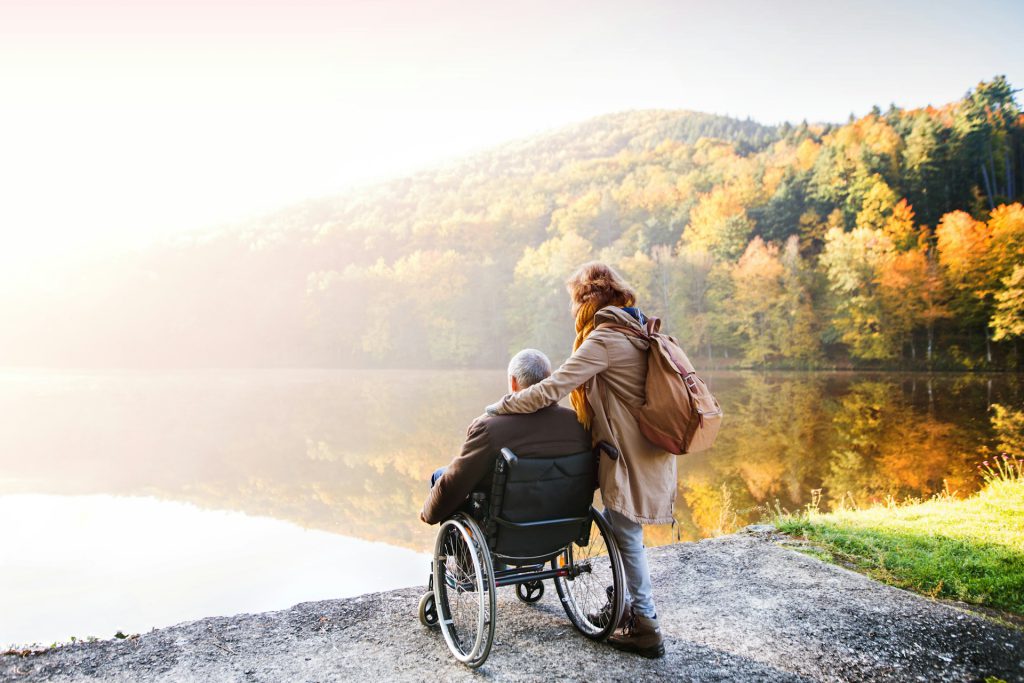
Photo by Getty Images on Unsplash