
How to Take a More Proactive Approach to Caring for an Older Loved One
Collaborative Post
Caring for a loved one often means reacting to health crises as they happen, whether it’s a sudden infection or an unexpected fall. This constant state of alert can be exhausting and stressful for everyone involved. Changing your approach from reactive to proactive can fundamentally improve the caregiving experience, giving both you and your loved one a greater sense of control and well-being. Proactive health management involves anticipating needs, watching for subtle changes, and fixing small issues before they become major problems.
The Value of Being Proactive
Moving from crisis management to a preventative approach offers significant benefits. It can greatly reduce emergency hospital visits and help maintain your loved one’s independence for longer. A proactive approach to elderly care helps you spot patterns and gradual declines that might otherwise go unnoticed until a serious event occurs.
For the caregiver, this shift means less stress and anxiety. Instead of waiting for the next emergency call, you have a system in place. This structure provides reassurance and allows you to focus on quality time with your family member, rather than just managing their health issues. It also builds a stronger partnership between you, your loved one, and their healthcare providers, leading to more collaborative and effective care plans.
Simple Home Monitoring Options
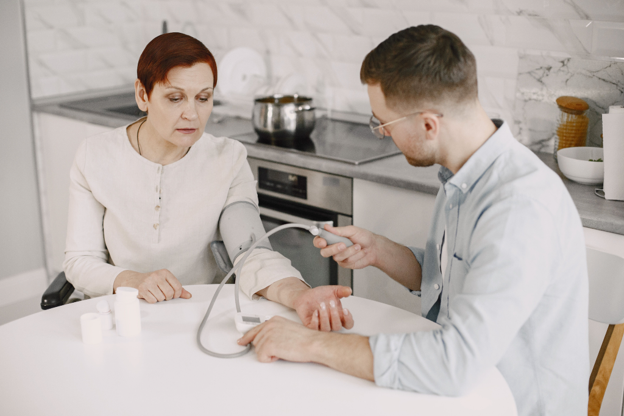
You don’t need complex medical equipment to keep a gentle eye on things at home. A few simple tools can offer valuable insights into daily health and flag potential concerns early. A reliable digital thermometer and a home blood pressure monitor are excellent starting points. Taking readings regularly, perhaps weekly, helps you establish a baseline and quickly spot any unusual changes.
Other simple diagnostic tools can also be incredibly helpful. For example, easy-to-use VivaTest urine test strips can provide at-home screening for various urine markers, including those associated with UTIs, glucose, and other aspects of urinary health. They can offer useful information to help you identify changes that may warrant further attention from a healthcare professional. For those with more complex needs, technology offers even more support through systems for proactive care and remote monitoring, which can track vital signs and share data directly with medical professionals.
Diet and Hydration Impact
Nutrition and hydration are essential for good health, especially for older adults. Dehydration is a common and serious risk, often mistaken for other conditions. It can cause confusion, dizziness, and urinary tract infections. Encourage regular fluid intake throughout the day, not just at mealtimes. Water, diluted fruit juice, herbal teas, and even water-rich foods like soup, melon, and cucumber all contribute.
Similarly, a balanced diet is vital for energy levels, immune function, and recovering from illness. Appetite can decrease with age, so it’s helpful to focus on nutrient-dense foods. Consider smaller, more frequent meals instead of three large ones. If your loved one struggles with cooking, look into meal delivery services or batch-cook and freeze portions for them. Always consult their GP or a dietitian before making significant dietary changes, especially if they have conditions like diabetes or heart disease.
Regular Check-ups Explained
Routine appointments are a key part of any proactive health strategy. These check-ups aren’t just for when something is wrong; they’re for keeping things right. Make sure your loved one has regular visits scheduled with their GP, dentist, and optician. Hearing and foot health are also important and often overlooked, so consider check-ups with an audiologist or podiatrist.
To make the most of these appointments, a little preparation goes a long way.
- Write down any questions or concerns in advance
- Make a note of any new symptoms or changes you’ve observed, no matter how small
- Bring a complete list of all their medications, including vitamins and over-the-counter remedies
- If you are attending with them, be ready to take notes on the doctor’s advice and any next steps.
This organised approach ensures that nothing gets missed and that you leave with a clear plan.
Taking a proactive stance on health management can feel like a big change, but it’s built on small, consistent actions. Starting with one area, such as organising medications or scheduling an overdue check-up, can be the first step towards a more manageable and positive care routine for you and the person you support.
Image Credit: Pexels