
Diabetes: how it affects your eyesight and what you can do about it
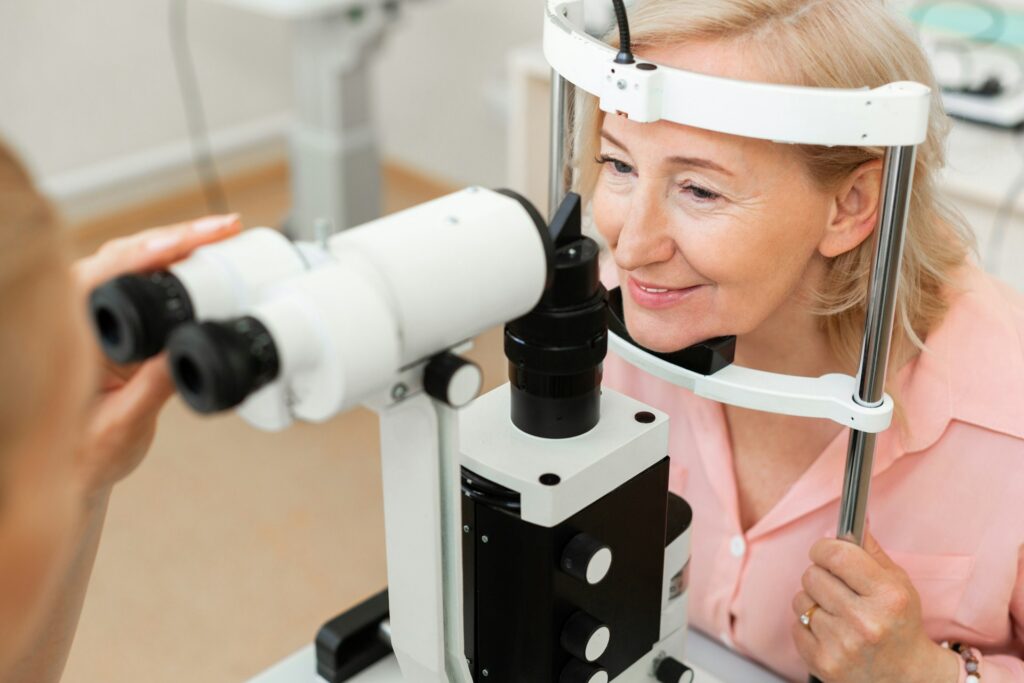
If you’ve been diagnosed with diabetes, you’ve probably heard warnings about protecting your eyes. But between managing blood sugar, medications, and everything else, it’s easy to feel overwhelmed.
Saanan Umeed, Medical Retina Consultant, Midland Eye, explains what you actually need to know about keeping your eyes healthy.
Why diabetes affects your eyes
Your eyes rely on a delicate network of tiny blood vessels to keep your retina ─ the light-sensitive tissue at the back of your eye ─ healthy and functioning. Think of your retina as the film in a camera, capturing the images you see every day.
When blood sugar levels run high over time, these small blood vessels can become damaged, a condition known as diabetic retinopathy. They might start to leak fluid or blood into the surrounding tissue, or they can become blocked, cutting off the blood supply to parts of your retina.
What you can do to prevent problems
This probably all sounds quite scary. The good news is that this damage doesn’t happen overnight, and there’s plenty you can do to protect your sight.
As you will know, the most important things are to keep your blood sugar, blood pressure, and cholesterol as well-managed as you can.
This doesn’t mean achieving perfect control every single day (that’s unrealistic for most people). It’s about consistent, long-term effort through a combination of diet, exercise, medication, and monitoring. Small, steady improvements add up over time.
That being said, even people with excellent diabetes management sometimes develop eye problem. What’s important is to notice and report any changes in vision as soon as possible.
The NHS Diabetic Eye Screening Programme
Fortunately, the NHS offers regular screening for diabetic patients to help spot any issues as soon as possible.
Once you’re diagnosed with diabetes, you’ll automatically be invited for regular eye screening ─ a simple, 30-minute appointment once every two years.
If screening detects changes in your eyes, your GP you’ll be referred to a hospital eye specialist.
Actual waiting times vary by area, though if you’re concerned about delays, your optician can sometimes advise on which hospital services have shorter waits. If you have private health insurance, this may also be an option – coverage varies, so it’s worth checking your policy.
Anti-VEGF Injections
There two types of diabetic retinopathy (non-proliferative and proliferative) and the main treatment for both conditions involves regular injections of anti-VEGF medication. VEGF is a protein that promotes blood vessel growth.
The injection itself takes just a few minutes and is performed as an outpatient appointment. You’ll need someone to take you home as your vision may be blurry for a few hours.
After each injection, keep your eye clean by avoiding rubbing it or exposing it to tap water for a few days. Stay away from dusty activities like gardening or decorating. Infection is extremely rare but if you notice increasing pain or redness, contact your eye clinic immediately.
Steroid injections
Steroids offer an alternative that works more broadly than anti-VEGF, reducing multiple chemicals that cause swelling. They’re given as slow-release pellets that last around four months ─ meaning fewer appointments than anti-VEGF.
However, they’re not suitable for everyone. Steroids can increase eye pressure (problematic if you’re at risk of glaucoma) and may speed up cataract development. Your specialist will discuss whether they’re right for you.
Laser treatment
For proliferative retinopathy, laser treatment can help by deliberately treating areas of peripheral retina ─ parts you don’t really use for day-to-day vision. Think of it like carefully pruning a tree. This pruning reduces the chemical signals that trigger abnormal blood vessel growth while nipping the new vessels in the bud.
Treatment typically starts at the far edges of your vision to see how you respond. If the unwanted vessels stop growing, you’ll just be monitored. If they continue, treatment gradually moves closer to the centre, always taking care to preserve your functional vision.
Laser works more slowly than injections, often taking several weeks to show results.
When surgery becomes necessary
Occasionally, complications arise that need surgical treatment rather than injections or laser. This might sound daunting, but these procedures are well-established and highly successful.
Your next steps
Managing diabetic eye health doesn’t need to feel overwhelming. Here’s how to make it manageable.
Don’t miss your screening appointments
They’re your early warning system, catching problems when they’re most treatable. Mark them in your calendar and treat them as non-negotiable.
Focus on consistent diabetes management
You don’t need to be perfect ─ just consistent. Small improvements in blood sugar, blood pressure, and cholesterol control add up to significant protection for your eyes.
Report changes quickly
New floaters, flashing lights, persistent blurred vision, or wavy lines all warrant a quick call to your optician or GP. Early action makes a real difference.
Keep your glasses up to date
Sometimes what feels like deteriorating vision is simply an outdated prescription.
Don’t hesitate to ask questions
If something isn’t clear, ask your eye care team to explain it differently. Understanding what’s happening helps you feel more in control and makes treatment easier to cope with.
Know you’re not alone
Living with diabetes can feel isolating, especially when it starts affecting your vision. Organisations like Diabetes UK and the Macular Society offer information, support groups, and someone to talk to who understands. Many areas also have eye care liaison officers who can provide practical advice and emotional support.
By staying engaged with screening, managing your diabetes as best you can, and seeking treatment promptly when needed, you’re giving yourself the best possible chance of maintaining clear, functional vision for years to come.
About the author
Saanan Umeed is a Medical Retina Consultant at Midland Eye. Midland Eye was founded by four ophthalmic surgeons who wanted to provide patients with a comprehensive, specialist service for the diagnosis and treatment of all eye conditions. The team are leaders in their field and offer a consultant-only service to all patients requiring eye care or surgery. Every consultant is qualified to treat common eye conditions such as cataracts but each one also has a particular area of specialisation, ensuring that patients get the best possible outcome, no matter what the diagnosis. Private patients can benefit from access to collaborative care and facilities with the latest and best technology. The clinic’s approach is designed to be convenient for people who lead busy lives and have limited time to seek medical advice and treatment.
Photo from Getty Images on Unsplash+