
Supporting Older Relatives with Home Mobility
Collaborative Post
As our parents and relatives get older, we often start to wonder how they’re really doing at home. We all want them to stay independent for as long as possible, but worries about falls and everyday struggles can really weigh on us. Helping an older person with their mobility isn’t just about stopping accidents; it’s about making sure they can keep living a full, dignified life in the home they cherish. This guide will give you some practical tips on how to make their home safer, comfier, and better suited to their changing needs.
Understanding Mobility Challenges
Mobility issues can creep up slowly or show up suddenly after someone’s been ill or had a fall. Often, they’re caused by common age-related things like arthritis, weak muscles, poor balance, or vision problems. The first step to finding the right solution is figuring out exactly what’s difficult for your relative. Do they struggle with the stairs? Is getting out of a chair a challenge? Are they finding it hard to get into and out of the bath?
These difficulties can have a big ripple effect. If someone’s scared of falling on the stairs, they might end up living only on one floor of their house, cutting them off from their bedroom or bathroom. Being afraid of slipping in the shower could lead to poor hygiene and a loss of confidence. It’s important to have an open, gentle chat with your relative about what they find hard. Listening to their experiences will help you support seniors with limited mobility in a way that respects how they feel and truly meets their needs. Sometimes the changes are subtle, like suddenly not wanting to go out as much or avoiding certain rooms, which can be early warning signs of falls in older relatives who need a bit more support.
Creating a Safer Home Environment
Once you have a clearer idea of the challenges, you can start making practical changes around the house. Lots of effective safety improvements are simple and don’t cost much. The aim is to create a space that keeps risks low and independence high. Think of it like doing a home safety check, looking for potential dangers room by room.
A great place to begin is by decluttering. Clear paths are important for preventing falls.
- Get rid of trip hazards like loose rugs, electrical cords that are stretched across the floor, and general mess. You can secure rug edges with anti-slip tape.
- Make sure there’s good lighting all over the house. Use bright bulbs and add extra lamps in dark spots, hallways, and stairwells. Nightlights that turn on automatically when it’s dark can be a huge help for those late-night trips to the bathroom.
- Put in grab rails in key spots. These are essential in the bathroom next to the toilet and in the shower or bath, but they can also be really useful in long hallways or next to steps.
- Make the bathroom safer with non-slip mats both inside and outside the bath or shower. Even a simple shower stool can make a world of difference, letting your relative sit down while they wash.
Creating a safe environment doesn’t mean turning a home into a hospital room. Many modern safety aids are designed to be subtle and stylish, blending right into the home’s decor. These small tweaks can make someone feel much more secure moving around their own space, which really boosts their confidence. The trick is to make changes that work well and feel like a natural part of the home, which is way more effective than just telling someone to ‘be careful’. Ultimately, making a home safer for seniors is all about preventing problems before they happen.
Choosing the Right Mobility Solutions
Beyond simple home adjustments, you might need to think about more significant mobility equipment. These solutions range from small, handheld gadgets to big home adaptations. The right choice really depends on what the individual needs and how their home is set up. For someone who’s a bit wobbly on their feet, a walking frame or a stylish modern walking stick might be all it takes to give them extra stability.
For those who find it hard to get up from a seated position, a riser recliner chair can be a fantastic buy. With just a button, the chair gently tilts and lifts the person to a nearly standing position, taking the strain off their knees and back. An adjustable bed can also help with sitting up and getting out of bed in the morning.
But for many older people, the biggest hurdle in their home is the staircase. It can become a daily source of pain, worry, and exhaustion. If stairs are the main thing stopping your relative from using their whole home, a stairlift is often the most life-changing solution out there. Installing one can mean the difference between staying in a beloved family home and having to move. Looking into the best stairlift for their particular staircase and needs can give them back their freedom and bring everyone peace of mind. Modern stairlifts are slim, quiet, and can be fitted to almost any type of staircase, even curved or narrow ones, without needing major structural changes.
Funding and Financial Support
The cost of bigger adaptations like stairlifts or walk-in showers can be a worry. The good news is there’s financial help available to cover some of the cost of making a home safer and more accessible. It’s definitely worth looking into these options before just assuming you have to pay for everything yourself.
In the UK, the main source of funding is the Disabled Facilities Grant (DFG), which your local council provides. This grant is meant to help with the costs of adaptations that let a disabled person live more independently in their own home. It can be used for things like widening doors, putting in ramps, improving heating or lighting, and fitting stairlifts or downstairs bathrooms. The grant is means-tested, but the assessment looks at the finances of the person with the disability, not their family members. You can find detailed information on the government’s website about disabled facilities grants and how to apply through your local council.
In addition, many charities offer grants to older or disabled people. Groups like Age UK, Independence at Home, and the Royal British Legion (for veterans) might be able to offer financial help. It’s also good to remember that if your relative is registered as disabled, they won’t have to pay VAT on equipment and adaptations specifically for their personal use. This can mean a big saving of 20% on the total cost.
Maintaining Independence and Dignity
Perhaps the most important part of this whole process is how you approach it. Talking about needing help can be a sensitive topic. Many older people fear losing their independence and might feel that accepting mobility aids means admitting they’re frail. It’s really important to handle these chats with empathy and respect.
Always include your relative in the decision-making from the very start. Frame the changes not as them losing ability, but as them gaining freedom and safety. Instead of saying, “You need a grab rail”, you could try, “I think a grab rail here would make it much easier to get out of the shower, don’t you?” Focus on the good things that will come out of it: a stairlift isn’t about not being able to climb stairs, it’s about being able to get upstairs to bed safely and without pain.
Encourage them to keep their independence in every way possible. Let them pick the style of walking stick or the colour of the riser recliner chair. These small choices help remind them that they’re still in control of their life and their home. The goal isn’t to take over, but to offer support that lets them keep living life on their own terms. Working together helps you put solutions in place that not only make them physically safer but also protect their emotional well-being and dignity.
Ultimately, these adaptations are tools to empower them. They can reduce worry, boost confidence, and let your loved one keep enjoying the comfort and familiarity of their own home for many more years.
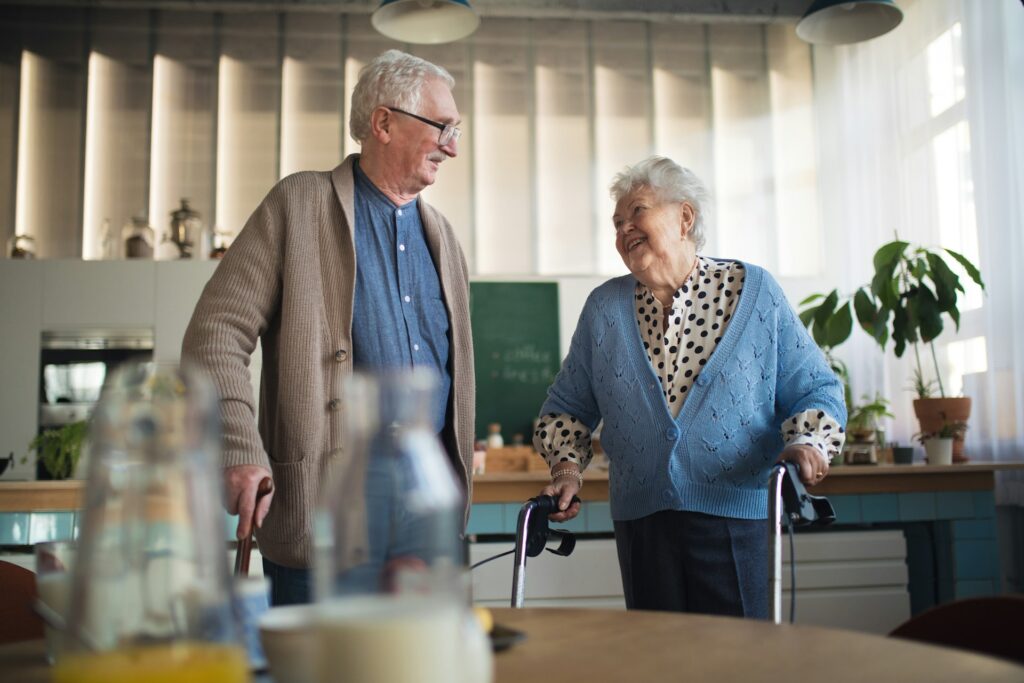
Image from Getty Images on Unsplash+