
Making Homes Easier to Navigate for Relatives with Limited Mobility
Collaborative Post
Flooring choices in homes with older relatives often go unnoticed until mobility becomes a concern. A slip on a polished surface or a stumble over an uneven threshold can shift priorities quickly. For families supporting ageing loved ones, the right flooring can lower fall risks, improve wheelchair movement, and simplify daily routines without sacrificing style.
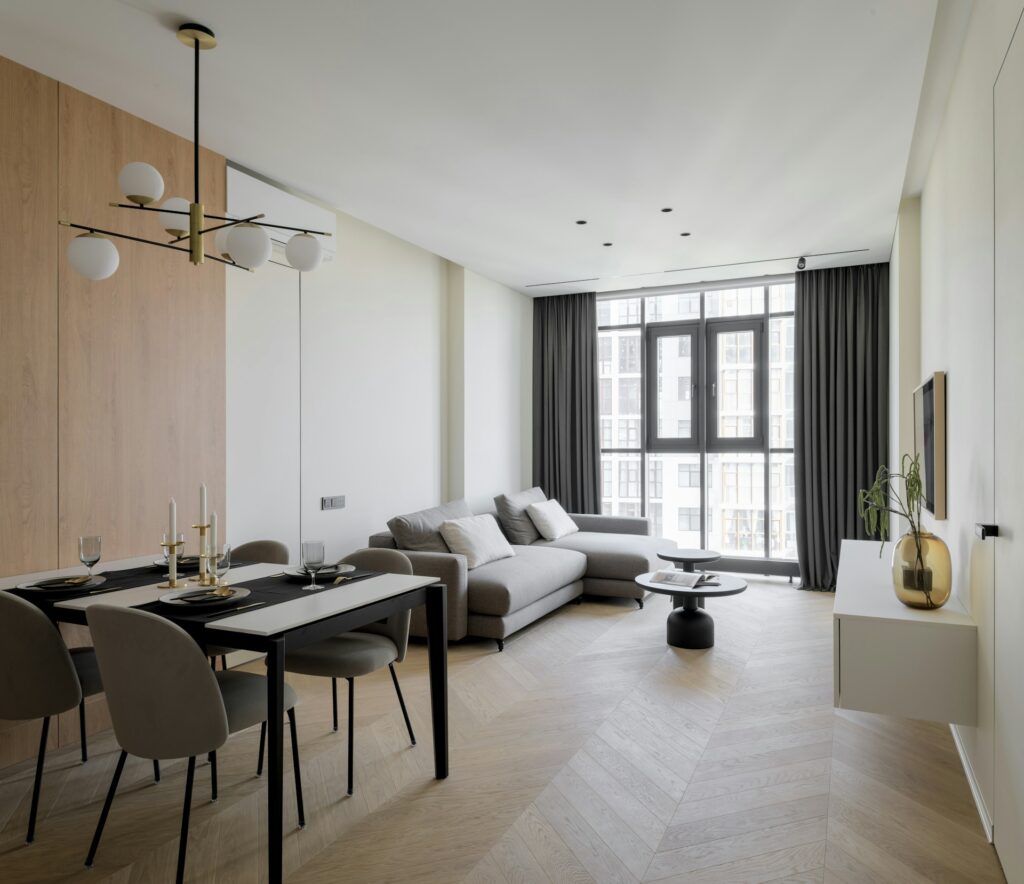
Herringbone flooring has long been sought after for its visual appeal, but its practical benefits matter just as much in homes where safety and accessibility are priorities. The pattern’s directional layout can guide movement through rooms, whilst certain materials offer slip resistance and strength under walking aids or mobility equipment. Choosing the best option depends on the specific needs of the household and how much support is needed.
Why Flooring Matters for Relatives with Limited Mobility
Falls are a common cause of injury among older adults. Smooth, hard flooring can increase slip risk, while uneven transitions may catch wheels or walking aids and cause loss of balance. Flooring choices such as continuous low-pile carpet or level vinyl surfaces can help prevent accidents and reduce daily strain for those using mobility supports.
Loose rugs and high-pile carpets can sometimes cause accidents involving mobility equipment and older people. Walking frames may snag on the edges of area rugs or thick carpet, leading to loss of balance or a fall. Wheelchair users may also experience increased struggle over deep-pile carpet, with resistance causing fatigue and sometimes making certain rooms less accessible.
Even a minor difference in floor levels can result in incidents where people with weak legs or poor balance stumble, sometimes requiring medical attention. Caregivers often report that wheelchair wheels and walking frame feet transfer dirt, mud, and wet leaves indoors, especially in autumn and winter months. Sealed vinyl flooring allows quick removal of muddy marks with a damp cloth, cutting cleaning time down to only a few minutes per day.
Key Safety Features to Prioritise
Slip resistance is one of the most important factors when choosing flooring for an older relative. Surface texture matters too. A slightly textured finish provides grip without making the floor harder to clean. For example, sealed vinyl flooring with a light emboss can allow mobility aid users to move safely without trapping dirt. Very smooth finishes may look attractive but can become slippery when wet, particularly in bathrooms or near kitchen sinks.
Level transitions between rooms are equally important. Raised thresholds can be a tripping hazard, especially for those using walking frames. Glare from polished floors can also make judging distances difficult for older adults, especially those living with low vision or cognitive changes.
Comparing Flooring Options for Accessibility
Hard surfaces such as vinyl, laminate, and engineered wood often make wheelchair use and walker movement less strenuous for carers and users. Smooth, sealed vinyl allows for easy gliding of mobility aids and fast clean up after spills. At the same time, these floors offer little shock absorption. When a fall occurs on vinyl, laminate, or wood, the lack of cushioning can result in bruising or injury.
Low-pile carpet fitted with a dense, firm backing offers several practical benefits for homes where limited mobility and fall risk are concerns. A firm-backed, low-pile carpet can soften the impact if someone falls, reducing the chance of bruises or more serious injury compared with hard flooring surfaces. Walking frames may grip more securely on low-pile carpet than on smooth hard floors. When choosing flooring for a home with underfloor heating, material compatibility becomes a key concern. Engineered wood floors and high-quality vinyl are often chosen for use with underfloor heating systems due to their predictable thermal stability.
When Patterned Flooring Works Well
Subtle, low-contrast patterns for flooring can be helpful in homes where residents live with visual impairment or mild cognitive changes. Mild geometric changes may help indicate movement corridors and mark the edges of spaces without causing visual confusion.
Families researching patterned options can look at examples of herringbone flooring to assess visual suitability and slip resistance ratings. When pattern contrast is kept low, boundaries between floor areas may become clearer for those with depth perception difficulties. Smaller, subtler designs, especially in mid-tones with gentle contrast, can support easier orientation and comfort for these individuals.
Maintenance Realities for Carers
Cleaning and upkeep become daily considerations in shared homes with older relatives and mobility needs. Surfaces such as sealed vinyl, engineered wood finished with a robust sealant, or low-pile carpet treated with stain protection can cut cleaning times and effort for carers.
Spill management is a frequent challenge in homes where incontinence or side-effects of medication may lead to unexpected accidents. Sealed vinyl and engineered wood floors allow faster, more effective cleaning than traditional carpet, especially when speed and hygiene matter. Wheelchairs and walking aids can accelerate wear in high-traffic zones like corridors, lounges, and kitchens. High-quality vinyl is often chosen for its ability to withstand regular pressure from wheels and its resistance to scratching, even when outdoor grit gets tracked inside during UK winters.
Balancing Durability with Comfort
Industry reports and direct user feedback provide information on flooring durability under wheelchair and walking aid use. Sealed vinyl in busy home corridors can remain in good condition with minimal visible wear or scratching from wheelchairs after extended daily use.
Stain-resistant finishes can reduce workload for carers, but must not affect slip resistance. Product data from manufacturers warns that certain surface treatments may influence slip values. It is advisable to review technical sheets for each product and seek confirmation from the retailer regarding the slip rating after stain-resistant treatments.
Checking manufacturer warranty details and fitting guidelines before purchase makes it easier to handle repairs and budget for future costs. Keeping paperwork like installation records and all supplier documents will help with warranty claims if accidental damage or wear occurs. This simple approach helps families keep their eligibility for repairs if issues come up later.
Image from Unsplash+