
Helping Older People Feel Confident in a Fast-Moving World
Collaborative Post
For many older people, it can feel as though the world is changing too quickly. From shifting technology to evolving social norms, the pace of modern life can feel overwhelming.
Fortunately, there are practical, compassionate ways to help the older adults in your life feel more secure, valued, and connected. These small but meaningful actions can help to build confidence and preserve dignity.
Recognise the Emotional Impact of Change
No matter what our age, change can feel unsettling, especially when it happens quickly. Think about the last time you had to deal with a change in your life, whether the end of a relationship, the start of a new job or a house move; consider how it felt at the time, and who or what helped you to get through it.
An older person might have several significant life changes in a short period, for example, retirement, a change to their health, the loss of a partner or a move to downsize. And all this is in addition to smaller everyday changes, such as how to book a GP appointment, pay their bills or do their grocery shopping.
Trying to put yourself in the other person’s shoes will give you an insight into why a change, however big or small it might be, could feel alarming to an older person, and a little understanding, patience and empathy go a long way when supporting older relatives to navigate change.
Make Technology Feel Familiar, Not Frightening
It’s a widely held belief that older people are afraid of technology, but this doesn’t have to be the case. You can introduce new tech by linking it to something familiar; for example, using turntables to reconnect someone with their favourite records, alongside a device to listen to them that they are more likely to be familiar with or understand.
This can help to build a person’s confidence in using new technology in a way that feels familiar and can help strengthen your bond through nostalgia and shared experiences. Older people don’t have to miss out on what they enjoy just because technology is changing; you just need to find a way to relate new tech to something they already understand.
Keep Routines Where Possible
Routines can be a much-needed anchor for older people in a world that feels like it’s constantly changing. Maintaining familiar habits, such as a morning walk for a cup of coffee in a favourite café or a weekly phone call with a friend, can offer stability when other aspects of a person’s life are shifting.
Help your older relative build a routine that works for them, and encourage them to stick to it so that their days and weeks have a familiar structure.
Encourage Involvement, Not Isolation
Older people should be involved in the decisions that impact them, rather than be passive bystanders. Feeling heard and like their opinions matter helps them stay engaged with and respected by those around them.
Loneliness and social isolation can affect any age group, but are particularly prevalent in later life. Retirement often means a person’s social circle grows smaller, plus as we age, we may lose or simply lose touch with friends.
Encourage older people to stay active and social by keeping up with hobbies and making the most of local opportunities to socialise, whether that’s through volunteering, attending a local book club, joining a choir or taking an evening class.
Celebrate What’s Still Meaningful
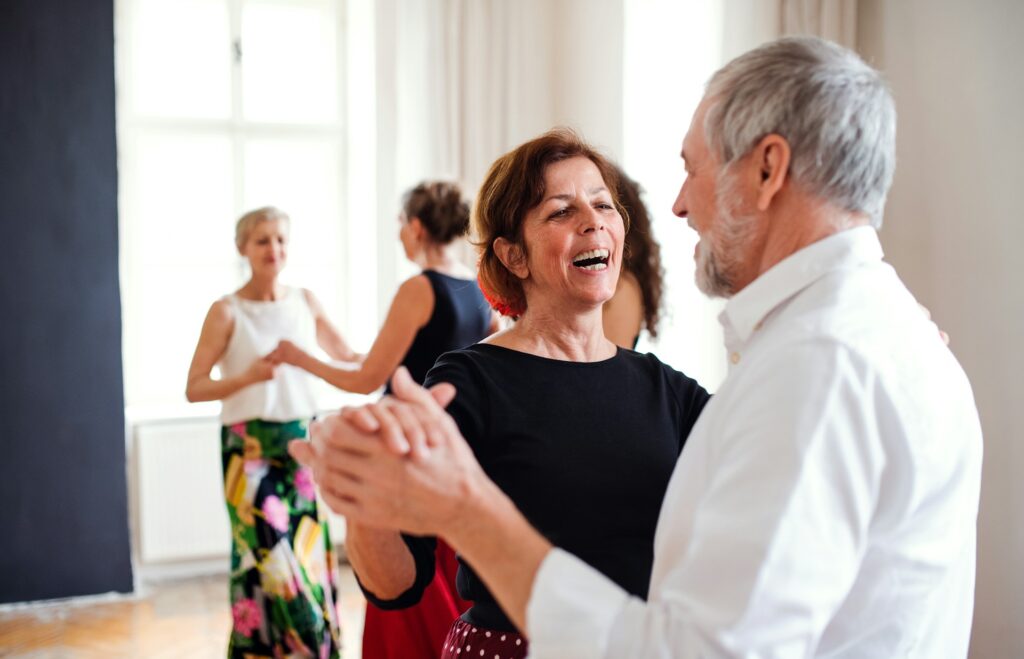
Joy doesn’t have to fade with age. Whether it’s music, gardening, dance or storytelling, helping older people to reconnect with whatever lights them up and brings them happiness makes the world feel like a less scary place and reminds us all that some things never change.
Photo by Mink Mingle on Unsplash