
The Benefits of Gardening for Older People
Collaborative Post
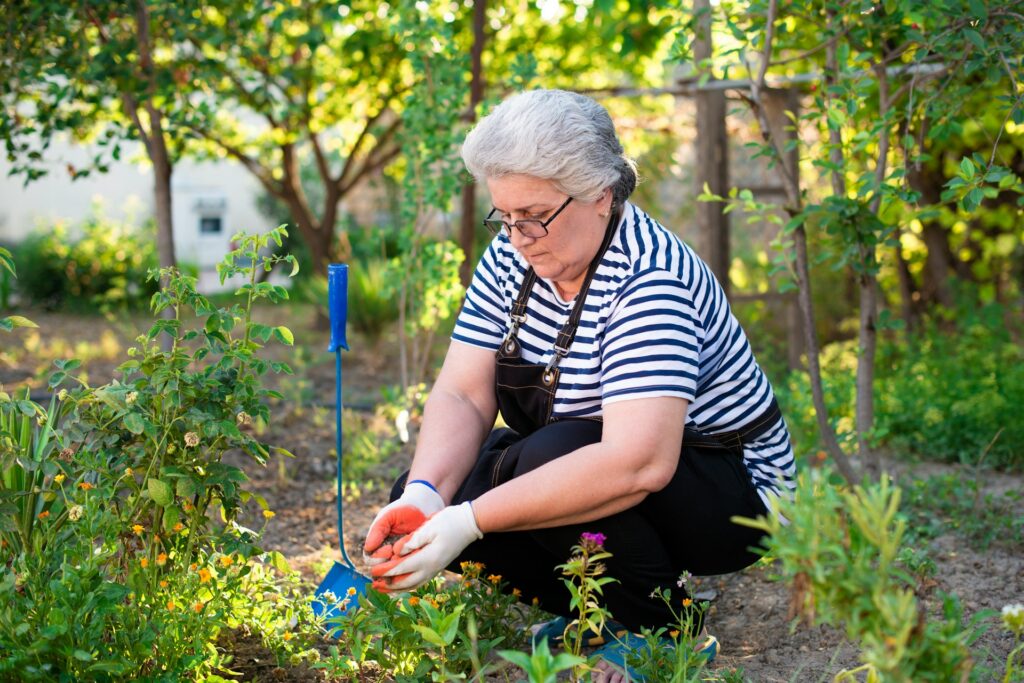
Gardening is a rewarding activity that offers real positives for older people, including supporting physical health and mental well-being through social connection. Whether it’s tending a small patio pot or maintaining a larger garden, spending time with plants can bring structure and enjoyment to daily life.
We’ll explore why gardening is such a valuable activity in later life and offer friendly, practical guidance on how to get started safely and enjoyably.
Physical Health Benefits of Gardening
Gardening involves a variety of gentle movements that help older adults stay active without the need for formal exercise routines. Planting, weeding, watering, and light pruning encourage regular movement and help to maintain mobility and strength.
Gardening activities can count as moderate physical exercise and support joint health and coordination. Reaching, bending, and lifting small items helps keep muscles engaged, while walking around the garden encourages steady movement.
Research has also shown that gardening can have wider health benefits, including supporting brain health and cognitive function, making it a well-rounded activity for ageing well. Significantly, gardening can be adapted to suit individual abilities, allowing people to stay active at a pace that feels comfortable and enjoyable.
Mental and Emotional Well-Being
Spending time outdoors and tending plants can have a tangible impact on mental and emotional health. Gardening offers a calming routine and a sense of achievement as plants grow and flourish. Being surrounded by greenery and fresh air has been proven to reduce stress and improve overall mood.
Focusing on simple tasks such as watering or planting can also help with concentration and mindfulness, providing a welcome break from worries or everyday pressures. Many older people find that gardening gives structure to their day and a reason to spend time outside, both of which are linked to improved emotional well-being and a greater sense of peace.
Getting Started Safely: Practical Tips
Starting or returning to gardening doesn’t require ample space or high levels of fitness. Raised beds and container gardening are excellent options for those with limited mobility, as they reduce the need to bend or kneel. Choosing low-maintenance plants (such as herbs or perennials) can help keep gardening enjoyable rather than tiring.
Safety is also important; using lightweight tools and gardening during cooler parts of the day can help prevent strain. Wearing sturdy, supportive footwear is recommended – many people opt for safety trainers to protect their feet and help prevent slips on wet, uneven ground. Comfortable gloves and sun protection also add to a safer, more pleasant experience.
Photo by Hasan Hasanzadeh on Unsplash