
Rediscovering Joy: Why Taking Up New Hobbies is Great at Any Age
Collaborative Post
As we get older, life can sometimes feel routine or lonely, especially for those who have more free time than ever before. Engaging in hobbies is a wonderful way to bring energy, purpose, and joy into everyday life. Picking up a new hobby is not just about passing the time; it can be a key to maintaining mental sharpness, staying active, and connecting with others. For families supporting their elderly loved ones, encouraging new hobbies can be a simple yet powerful way to enhance their well-being.
Starting a new hobby can be intimidating at first, especially for someone who has not explored new activities in a while. The important thing is to focus on interests and abilities rather than skills or perfection. A hobby should be enjoyable and suited to individual energy levels and preferences. Families can play a supportive role by helping older adults identify what sparks their curiosity and by creating an environment that makes trying new things comfortable and stress-free.
Mental Benefits of New Hobbies
One of the most significant advantages of starting a new hobby later in life is the boost it provides to mental health. Learning something new challenges the brain, strengthens memory, and encourages problem-solving skills. Activities such as learning a musical instrument, practising a new language, or exploring crafts stimulate the mind and help keep cognitive functions active.
Model building, RC cars, miniature projects, etc., from Frontline Hobbies and other reliable sources can inspire creativity and provide motivation to engage regularly in a hobby. Engaging consistently in these activities can also reduce feelings of boredom and help alleviate mild symptoms of anxiety or low mood.
Hobbies that require focus and patience can provide a sense of achievement and satisfaction. Completing a project or mastering a new skill reinforces confidence and offers tangible proof of progress. These small victories are important for maintaining self-esteem and can give older adults a renewed sense of purpose in daily life.
Physical Benefits of Hobbies
Not all hobbies are sedentary, and incorporating gentle physical activity can have profound effects on overall health. Gardening, walking clubs, tai chi, or dancing offer exercise in ways that are enjoyable and accessible. Physical hobbies support mobility, balance, and strength, reducing the risk of falls and promoting cardiovascular health. Even light activity combined with regular engagement in hobbies helps maintain energy levels and encourages a more active lifestyle.
Being physically active through hobbies also has a positive impact on sleep quality and general mood. Older adults who move regularly often experience improved circulation and flexibility, which contributes to overall well-being. Families can help by suggesting hobbies that suit physical capabilities while still being enjoyable and motivating.
Social Connection Through Shared Interests
Hobbies are not only about mental and physical health; they can also foster social connections. Joining a local art class, a walking group or a book club allows older adults to meet people with similar interests. Social interaction is crucial for emotional well-being and can help prevent feelings of isolation or loneliness. Sharing experiences, exchanging tips, and celebrating achievements together create meaningful relationships and a sense of community.
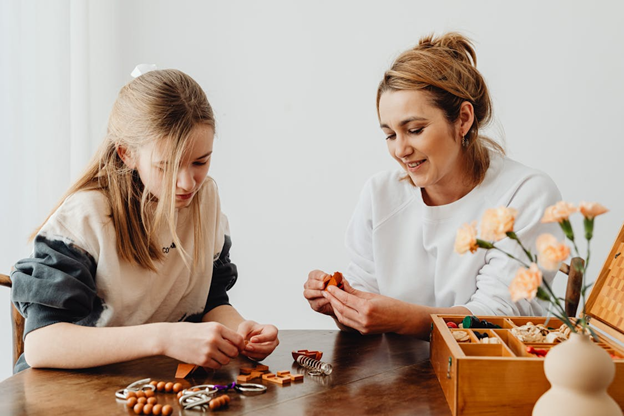
Even hobbies pursued at home can provide social benefits when they become part of family activities or virtual groups. Family members can participate alongside their older loved ones, offering encouragement, sharing experiences, and creating memories that strengthen bonds. The social aspect of hobbies adds a dimension of joy that is often overlooked but highly valuable.
Encouraging Exploration and Creativity
Hobbies allow for personal expression and creativity, which are important at every stage of life. Engaging in creative activities like painting, writing, cooking, or crafting can help older adults explore emotions and ideas in new ways. Creativity stimulates the mind and can provide a sense of freedom and self-discovery that enriches daily life. It encourages thinking outside familiar patterns and helps maintain mental flexibility.
Families can support this process by providing resources, space, or inspiration for creative pursuits. Encouraging older adults to try something they have never done before can be both fun and empowering. Even simple activities like experimenting with new recipes or learning to knit can offer a sense of accomplishment and delight.
Building Routine and Structure
Adding hobbies to a daily or weekly routine can provide structure, which is especially beneficial for older adults who may no longer have work or other regular commitments. Scheduled hobby time gives the day purpose and helps maintain mental engagement. A sense of routine can reduce feelings of aimlessness and support a balanced, fulfilling lifestyle.
Hobbies also offer a constructive way to manage time and energy, giving older adults something to look forward to. Predictable engagement in enjoyable activities can reduce stress and provide a calming rhythm to daily life. Families can help by suggesting consistent times for hobbies and encouraging participation without pressure.
Overcoming Barriers and Starting Small
It is natural for older adults to feel hesitant about starting something new. Concerns about ability, cost, or time can create barriers. The key is to start small and celebrate every effort. Trying a new hobby does not require perfection, only the willingness to experiment and enjoy the process. Choosing hobbies that align with interests, resources, and energy levels increases the likelihood of long-term enjoyment and commitment.
Families can assist by providing encouragement, helping with logistics, and celebrating milestones. Being patient and supportive helps older adults feel confident to explore new activities without fear of failure. Small steps can lead to meaningful engagement and lasting benefits.
Final Thoughts
Taking up new hobbies later in life offers far more than entertainment; it supports mental, physical, and emotional well-being while creating opportunities for social connection and personal growth. Families can play an important role by encouraging exploration, providing support, and sharing in the joy of learning new skills. By embracing hobbies, older adults can rediscover excitement, purpose, and happiness, proving that it is never too late to find something new to love.
Image Pexels