
How to plan a three-generation ski holiday without turning grandparents into childcare
Collaborative Post
A three-generation trip can give grandchildren time with grandparents, adults a change of scene and keen skiers a week on the mountain. But it can also expose an awkward assumption: because grandparents are present, they will cover ski-school pick-ups, tired afternoons and parents’ evenings out. A better holiday treats every adult as a traveller with plans of their own. Some grandparents may want full days on the slopes themselves; others may prefer winter walks, cafés or a pool. And neither choice makes them more or less helpful.
Agree the childcare boundary before choosing the resort
That’s why the useful conversation happens before anyone pays a deposit. Grandparents can say what help they would enjoy offering, if any, while parents remain responsible for arranging the rest. “We’d love one afternoon with the children” is a clear offer; it is not permission to fill every gap in the timetable.
Put the agreement in the family group chat so nobody remembers a different version later. Include ski-school drop-offs and collections, any babysitting, who takes over if a child refuses a lesson, and whether adults plan to go out in the evening. Paid childcare, children’s clubs and ski school should sit in the budget from the start rather than become emergency expenses.
Our advice on planning a multi-generational break offers a useful wider framework, when expectations differ.
Choose a layout that removes daily handovers
A famous resort name matters less than the route between bed, breakfast, ski hire, lessons and the first lift. Accommodation close to the ski-school meeting point can let parents handle drop-off without asking grandparents to wait with a child or carry equipment. If the building sits farther away, check the walking gradient, shuttle frequency, lift access and distance from the stop; 500 metres feels very different on an icy path in ski boots.
When comparing options for a ski holiday in France, look at the whole resort rhythm rather than piste kilometres alone. Purpose-built centres often keep lifts and services close together, while traditional villages may offer more atmosphere and interest for non-skiers but involve buses or steeper walks. France Montagnes’ official Famille Plus guide can help families identify destinations assessed for family-focused services, activities and childcare, although each family should still confirm lesson ages, collection rules and opening dates directly.
And then there are the rooms. Separate bedrooms protect privacy, while a lift and proper boot room reduce effort. Grandparents who don’t ski need independent access to something they enjoy, such as marked winter walks, a swimming pool, spa, shops or a pleasant village centre. “You can relax in the chalet” is not much of a holiday plan if everybody else disappears until late afternoon, is it?
Let each generation have its own holiday
One shared timetable rarely works. Instead, a few anchor points create connection without compulsory togetherness. Families might share breakfast and dinner, or choose two lunches and one sledging session for everyone. Smaller combinations also count. A grandparent and teenager may enjoy a café visit, while a parent and younger child build a snowman. Leave at least one unscheduled half-day so weather, fatigue or a child’s mood can change the plan without creating a childcare crisis.
Skiing grandparents should protect their own safety and energy rather than keeping pace to prove a point. The UK government’s winter-sports guidance advises travellers to check that insurance covers their planned activities. It also explains that a GHIC or EHIC doesn’t replace travel insurance or cover costs such as mountain rescue.
The most successful three-generation ski trip doesn’t measure family closeness by hours spent together or childcare provided. It gives grandparents choices, parents clear responsibility and children reliable arrangements. Agree the boundaries first, then pay for the services and convenient layout that make them workable. This way, everyone can return with shared memories rather than the sense that somebody else had the holiday – and not them.
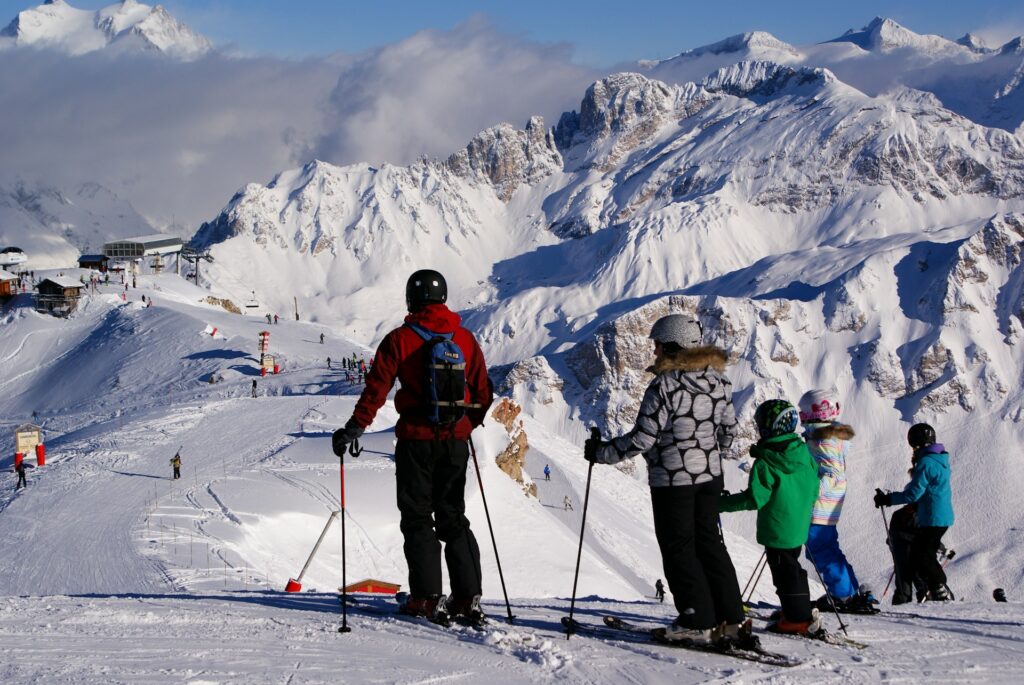
Photo by Piotr Figlarz on Unsplash