
Why Does My Skin No Longer Bounce Back Like It Used To?
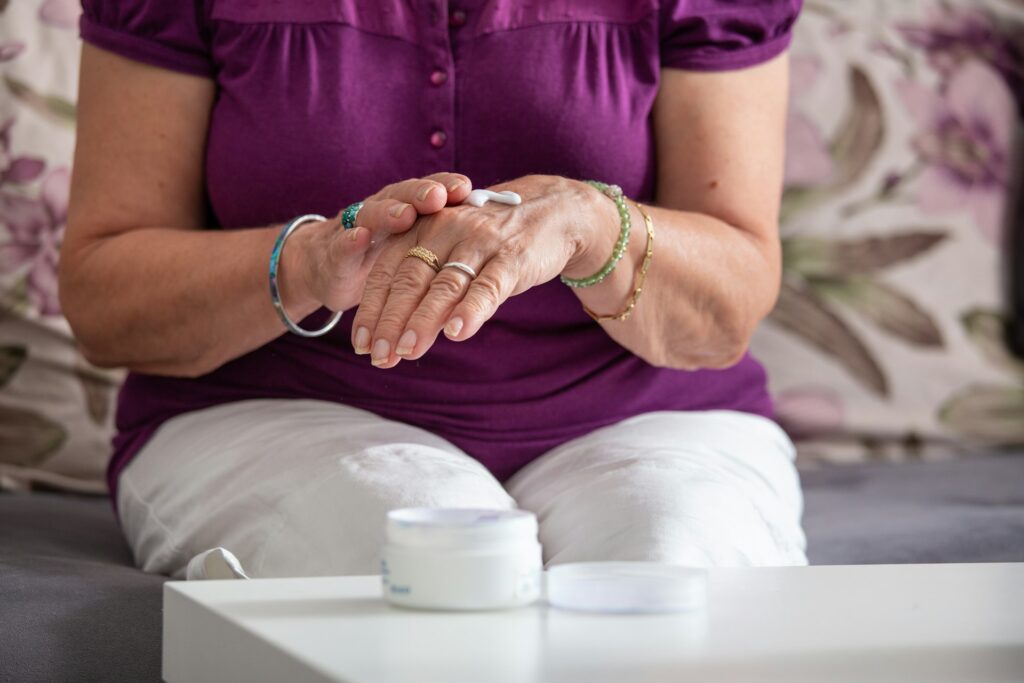
Collaborative Post
Your skin may no longer bounce back as quickly as it once did because collagen, elastin, hydration, and skin density all naturally decline with age. This can become more noticeable during menopause, when hormonal changes can make skin look drier, thinner, looser, and less resilient.
This is commonly described as loss of elasticity. It does not always mean your skin is permanently damaged, but it does mean your routine may need more than basic moisture. Skin that no longer feels springy often needs support for hydration, barrier repair, firmness, and renewal. Clinic-grade skincare products such as CALECIM® Professional are designed to support skin repair and renewal, making them a consideration for mature skin alongside a consistent skincare routine.
Your skin may no longer bounce back because collagen, elastin, hydration, and skin density decline with age and menopause
Skin bounce depends on the structures that keep skin firm, flexible, and hydrated. When those structures decline, skin may crease more easily, look less lifted, or take longer to smooth back after movement.
As published by Clinical and Experimental Dermatology, nearly one-third of skin collagen may be lost in the first five years after menopause, followed by continued decline with age. This helps explain why many women notice sudden changes in menopausal skin, even if their skin seemed stable before.
The change is usually not caused by one factor. It often reflects a combination of collagen loss, elastin changes, lower moisture, slower renewal, and reduced skin density.
Skin bounce depends on collagen support, elastin flexibility, hydration, and a healthy skin barrier
Skin bounces back when its support network is strong and well hydrated. Collagen gives skin structure, elastin helps it spring back, hyaluronic acid supports water content, and the barrier helps prevent dryness and irritation.
Collagen gives skin its firm support structure
Collagen acts like scaffolding inside the skin. When collagen declines, skin can look less dense, less firm, and more prone to visible folds.
Findings from MDPI show that type I collagen plays an essential role in maintaining skin integrity and elasticity, and reduced collagen production contributes to skin aging.
Elastin helps skin spring back after movement
Elastin is the flexible protein that helps skin return to shape after smiling, sleeping, squinting, or pressing on the skin. When elastin support weakens, lines and creases may linger longer.
Hydration makes fine lines and laxity look less obvious
Hydration does not rebuild skin structure by itself, but it can make the surface look smoother and more supple. PubMed Central indicates that youthful skin retains much of its turgor, resilience, and pliability because of its high water content, with hyaluronic acid playing a central role in hydration.
A weaker skin barrier can make mature skin feel thinner and less resilient
When the skin barrier is compromised, skin loses water more easily. This can make mature skin feel tight, reactive, rough, or fragile, which can exaggerate the appearance of elasticity loss.
Menopausal skin can lose elasticity faster because hormonal changes affect firmness, thickness, and moisture
Menopause can make loss of elasticity more noticeable because estrogen changes affect collagen, skin thickness, and hydration. According to the American Academy of Dermatology, menopause can make skin become dry, slack, and thin as hormone levels change.
Why are estrogen changes linked to collagen decline
Estrogen plays a role in maintaining collagen and skin thickness. When estrogen declines, collagen loss may accelerate, which can make skin look looser or less supported.
Why skin may look thinner or crepier after menopause
Thinner skin reflects reduced density and support. It may show up as crepiness on the cheeks, neck, chest, hands, or under the eyes.
Why dryness can make loss of elasticity look worse
Dryness sharpens fine lines and makes skin look less smooth. Even if the deeper issue is elasticity loss, dehydration can make it appear more dramatic.
Loss of elasticity, dry skin, and thinning skin can look similar but need different support
Dry skin, thinning skin, and loss of elasticity are often confused because they can all make skin look older. The right solution depends on what is driving the change.
| Concern | What it looks like | Main support needed |
| Dry skin | Tight, rough, dull, and fine lines look sharper | Hydration and barrier repair |
| Thinning skin | Fragile, crepey, delicate-looking | Density and resilience support |
| Loss of elasticity | Skin is slower to spring back | Firming and structural support |
| Menopause skin | Dryness, laxity, crepiness, slower recovery | Hydration, repair, firmness, and comfort |
There is no one-size-fits-all moisturizer, and choosing the right product depends on your skin type and concerns.
Moisturizer can plump skin temporarily, but it may not fully address loss of elasticity
Moisturizer can make skin look fresher and more comfortable, but it may not fully address deeper loss of elasticity. Firmness usually depends on collagen, elastin, hydration, and dermal support.
Why hydration improves the look of bounce
Hydrated skin reflects light better and looks smoother. According to MDPI, hyaluronic acid helps maintain skin hydration, elasticity, and firmness as part of the skin’s extracellular matrix.
Why firmness needs more than surface moisture
If the main issue is structural support, moisturizer alone may not be enough. Skin may need ingredients that support renewal, repair signaling, and collagen-related pathways.
When to add repair-focused or firming skincare
Add firming skincare when skin looks looser, creases linger longer, or moisturizer no longer gives enough visible improvement.
The best skincare for skin that no longer bounces back supports hydration, repair, collagen, and elastin together
The best routine for loss of elasticity is multi-targeted. It should hydrate the surface, support the skin barrier, protect collagen, and encourage healthier-looking renewal over time.
Hydrators can help skin look smoother. Retinoids may support visible renewal and photoaging improvement. PubMed Central states that retinoids influence skin structure and are widely used in dermatologic and cosmetic treatments to improve signs of photoaging.
Growth factors and stem cell skin care may be relevant when the goal is repair signaling rather than surface hydration alone. However, claims should stay realistic. Stem cell skin care may support visible firmness and elasticity, but results depend on the formula, skin condition, and consistent use.
CALECIM® Professional is most applicable when mature or menopausal skin requires clinic-grade repair and firming support
CALECIM® Professional may be especially beneficial for mature or menopausal skin that requires repair, firmness, hydration, and visible density. It should be positioned as a clinic-grade skincare option, not a guaranteed cure for elasticity loss.
CALECIM® Professional Serum contains the brand’s highest concentration of PTT-6® and is designed to support skin repair and renewal for clinical and at-home use.
Brand-reported in-vitro data states that PTT-6® increased elastin expression by 56%, hyaluronic acid expression by 83%, and skin cell growth by 42% after seven days.
Improving the look of skin elasticity takes consistent support over time
Some improvements, like hydration and surface plumpness, can appear quickly. Changes related to firmness, texture, and resilience usually take longer because they depend on ongoing skin renewal and support.
Use skincare consistently before judging results. If laxity is advanced, professional treatments may be worth discussing with a dermatologist or aesthetic professional.
FAQ
Can menopause make skin lose its bounce?
Yes. Menopause can make skin look drier, thinner, and less firm as hormone levels change. Collagen decline after menopause can make the loss of elasticity more noticeable.
Can skincare really improve loss of elasticity?
Skincare may improve the look of elasticity by supporting hydration, barrier repair, renewal, and firmness. It cannot fully reverse all structural aging, but the right routine can make skin look smoother and more resilient.
Is loss of elasticity the same as sagging skin?
Not exactly. Loss of elasticity means the skin is slower to spring back. Sagging usually refers to more visible laxity caused by deeper structural changes, volume loss, and gravity.
Why does my skin still look loose after moisturizing?
Moisturizer can improve dryness and temporary plumpness, but loose-looking skin may also need collagen, elastin, and density support.
Conclusion
Skin may stop bouncing back because collagen, elastin, hydration, and skin density decline with age, especially during menopause. Moisturizer can help with dryness and plumpness, but visible loss of elasticity often needs a broader routine that supports hydration, repair, firmness, and protection.
For mature or menopausal skin, CALECIM® Professional may be a relevant clinic-grade option when the goal is repair-focused firming support. Keep expectations realistic, stay consistent, and seek professional advice if skin changes feel sudden or severe.
Photo credit: Getty images on Unsplash