
How to Help an Ageing Parent Keep a Clean and Safe Home (Without Doing It All Yourself)
Collaborative Post
As daily tasks keep getting harder with age, helping the elderly maintain a safe and clean home can be challenging. With the right balance of communication, organisation and professional help, it is now possible to create a more comfortable and safer living environment for ageing parents while protecting their dignity and independence. Keep reading to understand how to help ageing parents maintain a clean home, without assuming every responsibility.
Supporting an Ageing Parent with Home Safety and Cleaning
Creating and maintaining a clean home is essential for both emotional well-being and physical health, especially as parents get older (spending more time indoors). A tidy environment can create a more cosy living space, reduce dust and lower the risks of falls. However, daily cleaning activities often become challenging with age because of balance problems, reduced mobility, fatigue and/or joint pain. This means that things like reaching high shelves, vacuuming, cleaning bathrooms and lifting laundry quickly become overwhelming. Because of that, families are now looking for outside help from a trusted cleaner in Bristol to get support in maintaining an organised and safe home without putting all the pressure on relatives.
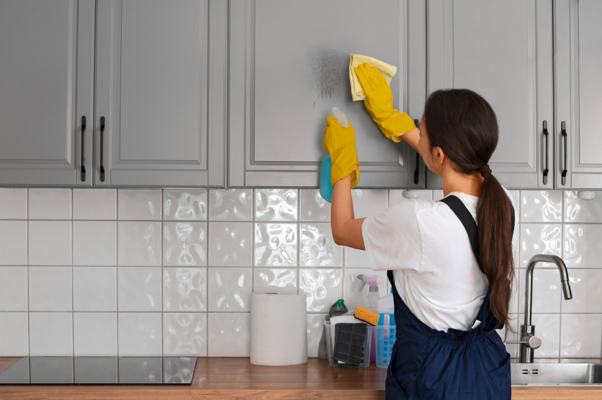
Expert cleaning services are gaining popularity as a practical solution among families supporting elderly parents. Adult children can look for occasional or regular visits from trained experts who can do everything, from mopping and dusting to bathroom and kitchen cleaning, instead of trying to handle everything alone. This is particularly helpful during mobility challenges, after illness and/or when clutter starts to be a safety risk. It is simple to speak to a professional and many experts offer flexible scheduling based on household needs.
Signs that an Ageing Parent Needs Extra (Professional) Help at Home
Many elderly parents value their time alone and independence in what they do and sometimes may not openly ask for help, even when things continue to get difficult. Paying attention even to small things around the home and their behaviour can help families know when extra support is required. Early identification makes it easier to maintain a comfortable, clean and safe living condition before the condition escalates.
Increased Safety Risks
Safety hazards can gradually develop even in homes that were once organised when maintenance and cleaning are not manageable. Crowded walkways, overflowing storage areas, loose rugs and/or poor lighting can increase the risk of falls and slips. Kitchens and bathrooms are among the riskiest places due to bending, wet surfaces and heavy lifting. These changes can have a huge effect on the safety of ageing parents, both physical safety and overall comfort.
Decline in Household Cleanliness
Decline in household cleanliness is one of the most noticeable signs that your elderly parents need professional help. Clutter and dust may become more visible than usual, laundry may pile up in a corner and/or dishes may remain unwashed for days. With age, tasks like cleaning bathrooms, vacuuming and mopping floors often become physically hard. This can be because of arthritis, reduced mobility and/or fatigue. Repeatedly postponing routine cleaning is an indication that the workload is becoming overwhelming and difficult to manage alone.
Sudden Change in Wellbeing and Daily Habits
Ageing parents may benefit from professional support when they begin to skip meals, avoid certain rooms or struggle to keep up with personal routines. Difficulty finishing simple daily tasks, lack of energy or forgetfulness can make household responsibilities hard. Seeking professional cleaning solutions can help reduce stress and assist them in living independently in a healthier home.
In a Nutshell
Helping an ageing parent with cleaning or maintaining a safe home does not always mean handling everything by yourself. With professional assistance, older adults can continue living in a household that supports dignity, health and overall well-being. It is important to be attentive to notice when they need extra support to improve their comfort, ease pressure on family members and minimise safety risks.
Image credit