
Who bears the cost of home adaptations?
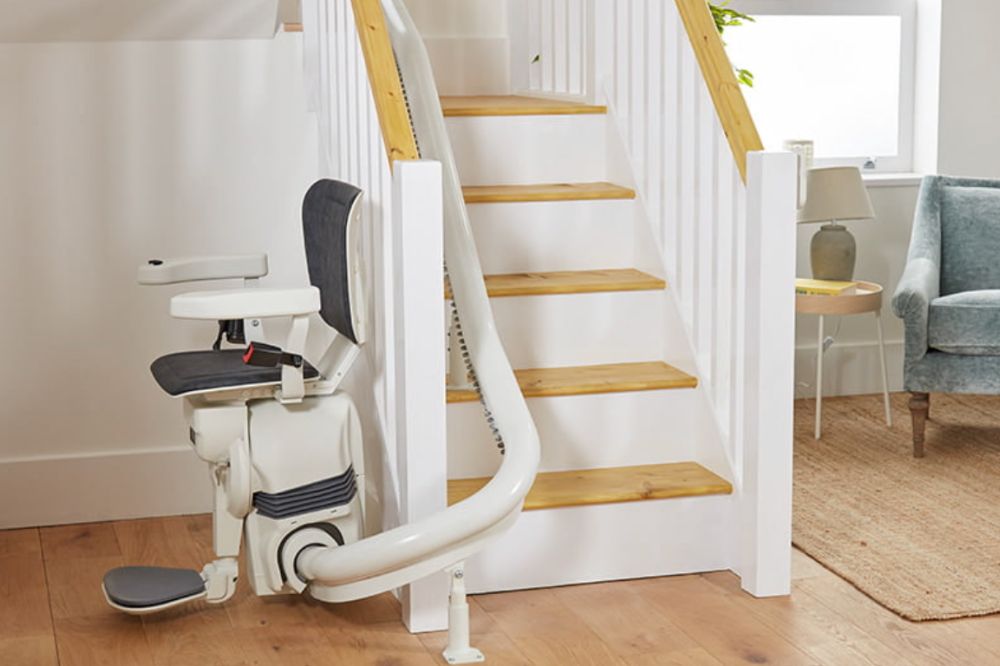
When taking the stairs becomes a struggle, families may start researching the cost of making them accessible again. Yet many do not consider the possibility of applying for funding.
A recent survey found that nearly 6 in 10 British people have no idea that financial help exists for adaptations to help with mobility around the home.
According to Neil Mckenzie, home safety expert at Halton Stairlifts, stair lifts, walk-in showers and grab rails can be eligible for funding through local councils or the NHS. But the company’s research found that only 35% of respondents said they knew support might exist, and another 7.7% were unsure.
After surveying 2,000 people, the company also found that people may be bracing themselves for a bigger bill than necessary, with a third admitting they had no idea what modifications might cost.
Who pays?
The findings suggest many families are weighing up big decisions about their home and their future, without the full picture. Neil Mckenzies comments: ‘There’s a real knowledge gap here. Most people assume that if they need a stairlift or a walk-in shower, the full cost lands on them. In reality, depending on your circumstances and where you live, there may be help available, but you won’t find it if you don’t know to look.
‘People often put off a home adaptation for months, or even years, because they assume it’s out of budget, despite the fact that a quick conversation with their local council could change the picture completely.
‘The other problem is timing. Support often involves an assessment, and that can take time, so the worst moment to find out about it is after a fall or a hospital stay, when you need the adaptation straight away.
‘If you or a loved one is starting to struggle at home, find out what’s available now, while you still have time to make the decision on your own terms.’
Independence is a priority
The research also highlights how far the public still have to go on later-life planning.
More than six times as many respondents said they would rather adapt their home to stay independent as would move into a care home.
It’s clear people want to stay in their own homes for longer, but most don’t know what help is available to make that possible, or what it might cost.
Finding financial help
Call the council
Ask your local council’s adult social care team for a free care needs assessment. It’s open to anyone, regardless of income. In England, any recommended adaptation under £1,000 (grab rails, stair rails, small ramps) must be provided free.
Check help with larger home adaptions
For more substantial adaptations, such as stairlifts, walk-in showers, ramps and widened doorways, financial help may be available through a Disabled Facilities Grant (DFG) or an equivalent scheme.
The maximum grant depends on where you live:
- England: Up to £30,000
- Wales: Up to £36,000
- Northern Ireland: Up to £35,000, with the Housing Executive able to increase this to £70,000 in certain circumstances
- Scotland: There is no DFG. Instead, councils provide assistance through their Scheme of Assistance, with grants covering at least 80% of eligible adaptation costs.
In England, grants for adults are generally means-tested, so the applicant’s income and savings may affect how much they receive. In Wales, small and medium-sized adaptations, usually costing less than £1,000, are exempt from means testing. Different rules apply in Northern Ireland and Scotland.
In all cases, the work will normally need to be assessed as necessary and appropriate for the person’s needs. Contact your local council, or the relevant housing authority in Northern Ireland, before arranging any work. You are advised not to start the work before receiving approval, as this could affect your eligibility for funding.
Check for VAT relief
Stairlifts can be zero-rated for disabled people, and over-60s may pay just 5% VAT on certain mobility aids. This is not means-tested.
Get free help applying
Home Improvement Agencies, Care & Repair Cymru, Care and Repair Scotland and Radius (NI) can support people through the process.
Further information
The steps to finding financial help in this article have been written with the help of ChatGTP, which cheerfully admits it may not be entirely correct. It’s always worth going to the source when researching, so here are useful links to give you further information.
- NHS Care and Support You can Get for Free
- UK care and support statutory guidance
- UK Disabled Facilities Grants
- Public Services Ombudsman for Wales – Disabled Facilities Grants
- nidirect – Disabled Facilities Grants in Northern Ireland
- Citizens Advice Scotland – Grants and help for home adaptions
Image: Halton Stair Lifts