
What is DoLS, what are its challenges and how is it due to change?
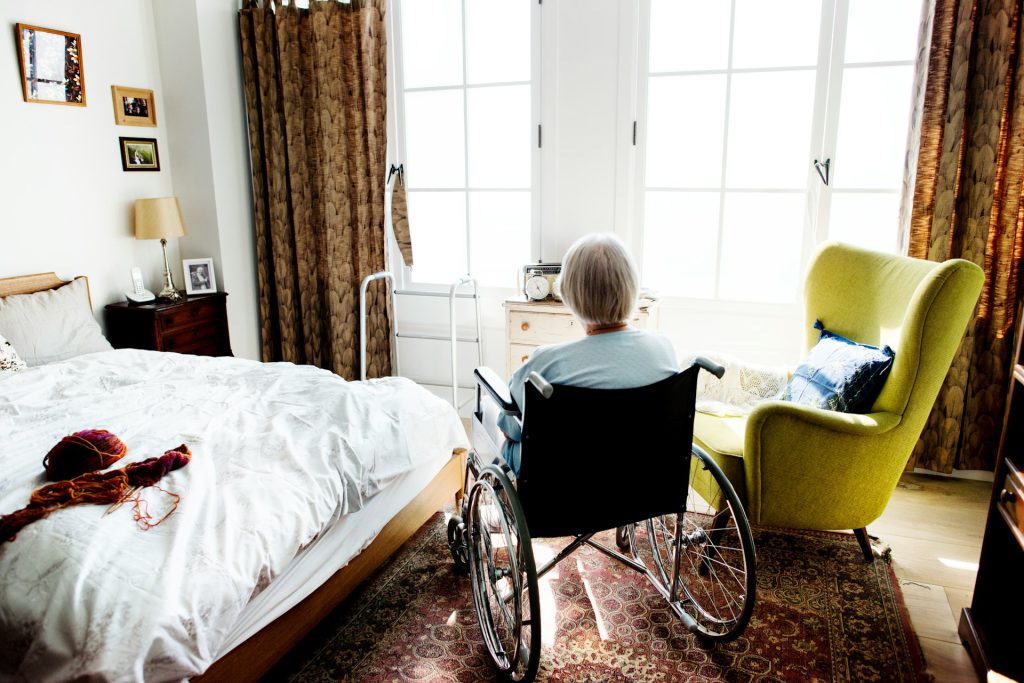
The Deprivation of Liberty Safeguards (DoLS) is part of the Mental Capacity Act 2005. It exists to protect people who cannot make certain decisions for themselves – often because of dementia, learning disabilities, or brain injury – and who need to be kept safe in a care home or hospital.
If a person is under DoLS, it means some restrictions are in place (for example, staying in a care home for safety or being supervised to prevent harm). These restrictions should always be in the person’s best interests and used only when absolutely necessary.
Why is DoLS important?
DoLS is intended to make sure that:
- A person’s rights and freedoms are respected
- Care decisions are reviewed by independent professionals
- Families are informed and involved
- There is a legal process for challenging decisions if you disagree
How DoLS Works
DoLS applies mainly in care homes and hospitals in England and Wales.
The care provider must apply to the local authority for authorisation if they believe a person’s care arrangement amounts to a deprivation of liberty.
The local authority then arranges six assessments (mental capacity, best interests, eligibility, etc.) before granting or refusing authorisation.
A Relevant Person’s Representative (RPR) is appointed to support the individual, and there is a right to challenge the decision in the Court of Protection.
Common concerns and challenges
Families sometimes feel left out or confused by DoLS paperwork and legal language.
It can also take time for applications to be approved, leading to delays and uncertainty.
If you’re worried that a loved one is being restricted unnecessarily or without clear communication, you have the right to ask questions and request a review.
What can families do?
- Ask for clear explanations: Staff should explain what DoLS means and why it’s being used
- Stay involved: Families are partners in care planning – your views matter
- Know your rights: You can appeal a DoLS authorisation through the Court of Protection
- Keep communication open: Regular updates help reduce confusion or anxiety
What’s changing?
DoLS is due to be replaced by a new system called the Liberty Protection Safeguards (LPS), designed to be simpler and faster. However, these changes have been delayed several times, though consultation will now start in 2026, according to care minister Stephen Kinnock.
Where to get help
If you have questions or need support, these organisations can help:
- NHS England: nhs.uk – Search ‘DoLS’ for guidance
- Citizens Advice: 0800 144 8848 – Free, confidential legal and care rights advice
- Alzheimer’s Society: 0333 150 3456 – Support for families affected by dementia
- Age UK: 0800 678 1602 – Information about care, rights, and financial help
- Mind: 0300 123 3393 – Mental health and rights information
This article was written with the help of AI through ChatGTP.
Image from Unsplash