
The Pros and Cons of New Build Homes
Collaborative Post
The allure of a brand-new home is hard to ignore. A fresh kitchen, pristine bathrooms, and the promise of modern conveniences are attractive, especially for first-time buyers.
Developers are increasingly appealing to homebuyers by offering innovative layouts, eco-friendly features, and energy-efficient solutions. However, there are potential drawbacks and hurdles in the buying process that you must navigate carefully.
The advantages of buying a new build
There are several benefits that come with buying a new build home. Doing so provides the opportunity for you to live in a property that’s tailored to contemporary lifestyles.
With energy-efficient designs, you can enjoy lower utility bills and a smaller carbon footprint, making them an appealing choice for the eco-conscious. Many developers also offer customisation options, allowing you to choose your flooring, kitchen fittings, or even the layout.
In addition, modern homes are built to the latest safety standards and often come with long-term warranties. These guarantees can give you peace of mind, knowing that any issues that arise will likely be covered, saving you from costly repairs in the first few years.
Finally, new builds usually come with low maintenance costs upfront. You won’t have to worry about fixing things that are common in older properties, such as dodgy plumbing or worn-out wiring.
The potential downsides to consider
Despite the appeal, there are several things you should be aware of before committing. New homes are typically situated in newly developed areas, meaning that local amenities might not yet be fully established.
Another issue that many buyers face is the inflated pricing. Developers often price these homes at a premium, reflecting the modern design and the promise of low maintenance.
However, this initial price tag can be more than what you’d pay for a comparable property on the second-hand market, which might offer additional space or a more established neighbourhood.
Understanding the buying process and hidden costs
The process of buying a new build can sometimes feel more complicated than buying a second-hand home. Developers sometimes require buyers to use their preferred mortgage brokers or solicitors, which can limit your freedom in decision-making.
Additionally, there may be some hidden costs that aren’t immediately apparent. For example, you might need to pay for a ‘reservation fee’ upfront, which holds the property for you until you complete the purchase.
The build quality and snagging
Although new homes are generally built to high standards, the reality is that snagging – the process of identifying and correcting faults – is common.
Builders can sometimes rush the final stages of construction to meet deadlines, leading to cosmetic defects or minor issues that need fixing.
It’s important to thoroughly inspect the property before moving in to identify these faults. If you don’t act promptly, some of these issues could become more expensive to fix down the line.
It’s wise to hire a surveyor to conduct a final inspection before completing the purchase. They can identify any hidden defects that you may miss, ensuring that you don’t face unexpected repair costs after you’ve moved in.
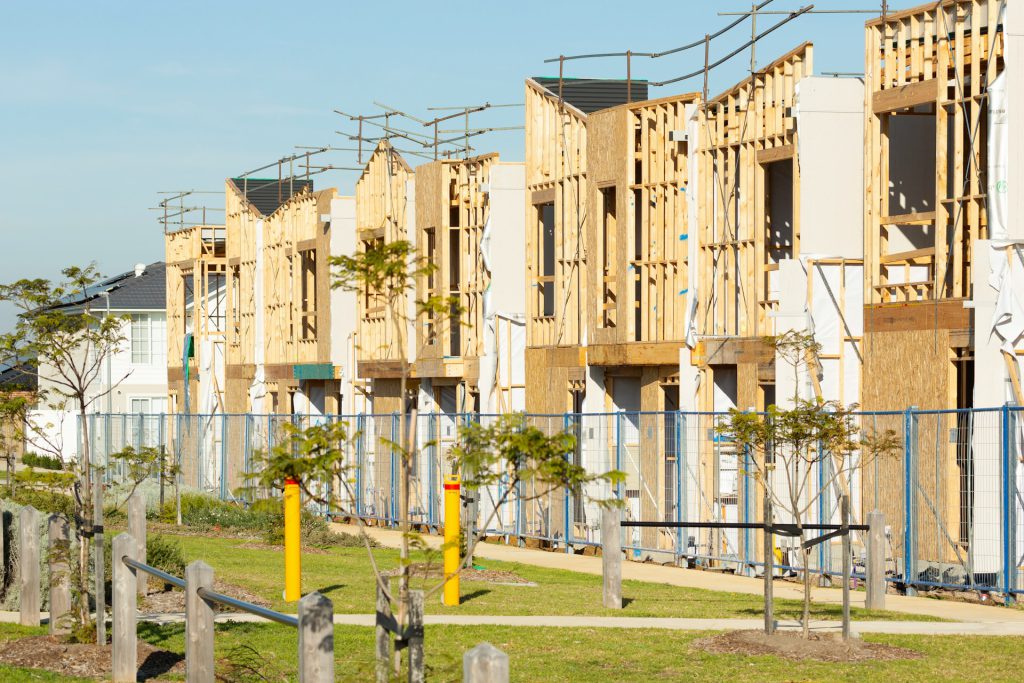
Photo by Troy Mortier on Unsplash