
Reducing Your Business Water Bills – What to Look Out For
Collaborative Post
Every business needs water. It is used in kitchens, bathrooms, cleaning and often in production. But while it is essential, it can also cost a lot. Watching how it is used and cutting waste can lower bills without affecting day-to-day work.
Understand How Water Is Used
Before changing anything, know where the water goes. Past bills give a rough picture, but closer tracking shows more detail. Some areas or pieces of equipment may use more than expected.
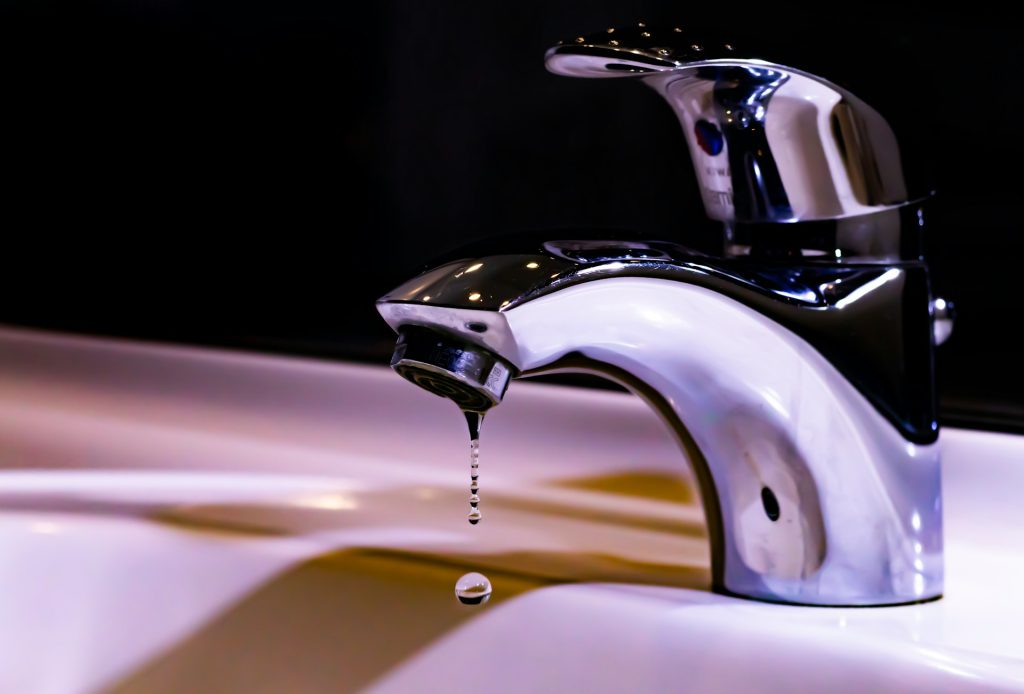
Leaks are another hidden cost. A dripping tap or a small pipe leak adds up over time. Regular checks and maintenance help stop small issues turning into bigger, costly ones.
Upgrade Fixtures and Appliances
Old taps, toilets, urinals and other plumbing fixtures use more water than modern ones. Swapping to water-saving models cuts use without affecting performance.
Kitchen and catering kit is also worth checking. Efficient dishwashers, sinks and ice machines save both water and energy. In larger sites or production settings, review cleaning and cooling processes. Reusing water or making small changes can bring big savings. New equipment costs at first, but the long-term savings often make it worthwhile.
Encourage Smarter Habits
How staff use water makes a big difference. Simple actions matter: turn taps off fully, report leaks, and avoid waste. Clear guidance and reminders help make this routine.
Training also plays a role. Run dishwashers and washing machines only when full. Time irrigation systems properly. Over time, these small steps add up. When staff see the practical and financial benefits, saving water becomes part of daily work.
Monitor and Manage Use
Meters in different areas show how much water is used where. Sub-meters highlight the highest users so changes can be targeted. Monitoring also helps spot sudden spikes, which may mean leaks or poor practice.
Some businesses go further with water recycling or rainwater collection. Stored water can be used for toilets, cleaning or landscaping. This cuts mains use and is useful for sites with high demand. It also supports sustainability goals.
Review Tariffs and Supplier Options
Bills can sometimes be reduced just by checking if you are on the right tariff. Comparing business water suppliers may reveal lower rates or better terms. Exploring options makes sure you are not overpaying.
Local schemes or government support may also help. Grants or rebates for water-saving devices or upgrades can reduce upfront costs and speed up savings.
By looking closely at use, upgrading equipment, building better habits, monitoring consumption and comparing business water suppliers, businesses can lower costs without disrupting operations.
Photo by Jos Speetjens on Unsplash