
CCTV in care home bedrooms in the UK – yes or no?
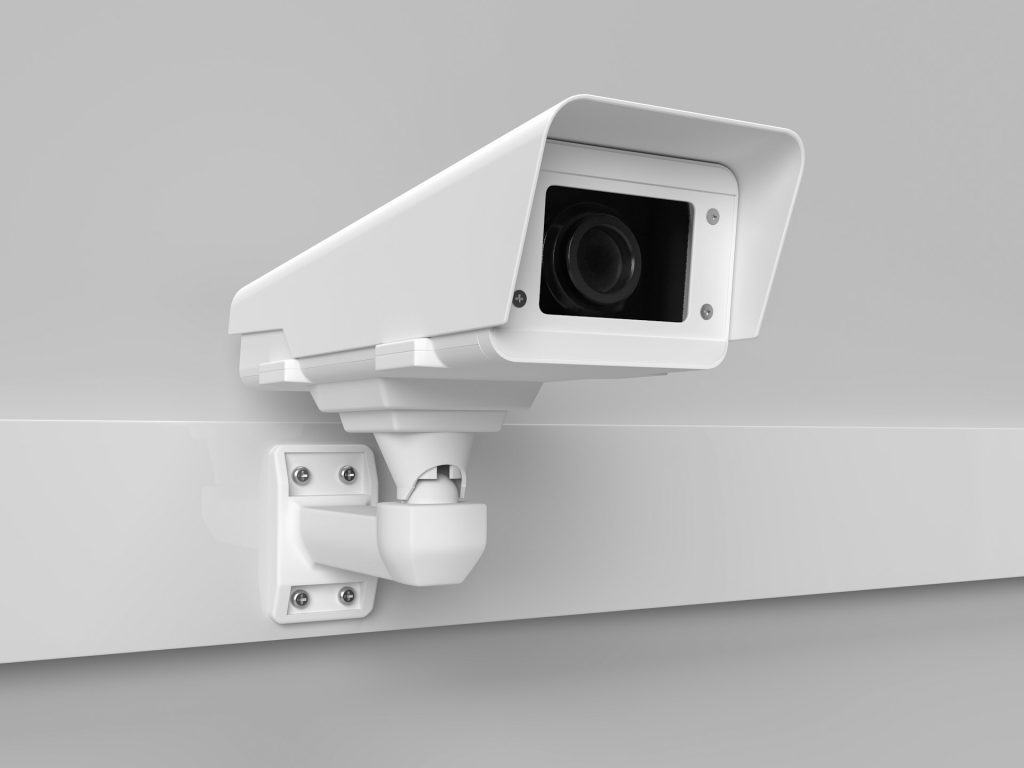
Moving to a care home can be a positive choice for those who are struggling to live independently at home.
It can throw up worries for family and friends though. We are trusting an unknown organisation and its unfamiliar employees to care for our relative with compassion and dignity.
Sometimes concerns arise about whether our loved one is being treated to a high enough standard. That’s when some families may consider whether CCTV in the bedroom can offer proof that the care is working – or not.
There are arguments for and against such a choice, and we take a look at some of them here.
Why think about CCTV in care home bedroom?
These are a few of the arguments that families may consider in favour of CCTV.
Perhaps the major reason for considering CCTV is safeguarding. Families can occasionally become concerned that hidden abuse or neglect is occurring when residents are alone in their rooms. CCTV may help deter or expose mistreatment, and equally give families peace of mind that their relatives are being well cared for.
Video can also potentially help in clarifying incidents, helping families and care home managers understand what happened during falls or medication administration, for example. This could be particular useful if the resident has cognitive impairment, such as dementia, and is unable to provide their own version of events.
Even where there are no suspicions of lack of care, families of residents with dementia or limited communication may feel more secure knowing their loved one is monitored discreetly. And some families report reduced stress or guilt when they can verify that care is being properly delivered.
Arguments against CCTV in care home bedrooms
On the other hand, there are as many reasons why CCTV might not be appropriate in care home bedrooms.
There are privacy and dignity issues. Bedrooms are personal spaces, often where residents dress, sleep, or receive intimate care. Cameras may severely undermine dignity, especially if not carefully regulated.
The right to private life is protected under Article 8 of the Human Rights Act – any surveillance must be strictly justified, necessary, and proportionate.
There are consent issues too. This is not just a debate between family and care home. Residents should give informed consent, but many lack the capacity to do so. That raises legal and ethical questions when consent is given by a third party, such as family or friend, and is more complicated if the bedroom is shared.
It would be difficult for staff not to see CCTV surveillance as a question mark on their honesty and integrity. Staff may feel distrusted or excessively monitored, which could harm morale and lead to retention issues. And there’s a risk of creating a culture of fear rather than open, compassionate care.
From an administrative perspective there are also issues with data protection, storage, who has access, and how long footage is kept under UK GDPR rules. There is also potential for misuse of footage, hacking, or accidental exposure, especially with remote-access systems.
What families could consider
If you’re thinking about CCTV in your loved one’s care home bedroom, you should be clear about:
- how consent is handled (especially for residents lacking capacity)
- where cameras would be located, and how privacy (e.g., during personal care) is respected
- who can view footage, how it’s stored, and how long it’s retained.
Families might want to explore other non-invasive ways to monitor wellbeing, like sensor alerts or regular check-ins.
How to proceed
If you are considering CCTV in your relative’s bedroom, it’s worth working through these steps.
Start with why: understand the motivation
Before discussing with others, clarify why you personally are considering CCTV.
Ask yourself:
- Is it safety that you’re worried about (e.g. falls or night-time wandering)?
- Are there concerns about the quality of care from staff or unexplained events?
- Do you want reassurance and visibility as a family member?
- Is the person unable to report concerns due to dementia or communication issues?
Knowing your why will help keep the discussion focused.
Talk to other family members
Bring in other close relatives to get their perspective and build a shared understanding.
Explore alternatives first
CCTV can feel invasive for the resident and staff. You could consider these options first:
- Regular wellbeing checks
- Fall sensors or door alarms
- Increased care hours
- Bed/chair pressure pads with alerts
- Using a care app or communication log to stay updated
Involve the resident if possible
If your loved one has capacity, their voice should be central.
Ask them:
- Do you feel safe in your room?
- How would you feel about a camera being installed for safety?
- Would you feel reassured, or would it feel intrusive?
If they lack capacity, decisions must be made in their best interests, following the Mental Capacity Act 2005.
Arrange a meeting with the care home manager
If the family wants to explore the idea, it is important to speak directly with the care provider. If this can be done in a calm and rational way, the more productive the conversation is likely to be.
You may find that the home may already has monitoring systems like motion sensors or acoustic alerts that can be helpful.
If you feel this is not enough and you want to pursue CCTV, ask the manager these important questions:
- Do you currently allow in-room CCTV?
- How do you manage consent and privacy?
- What policies are in place for data storage and access?
- Are there alternative safeguarding measures that might address our concerns?
Clarify legal and ethical considerations
- Consent is crucial – ideally from the resident, or otherwise through a best interests assessment
- The home must comply with GDPR, the Human Rights Act, and CQC guidance
- Any use of CCTV must be:
- proportionate
- respectful of privacy (e.g., no filming of personal care)
- clearly documented and reviewed regularly
Keep the conversation going
Even if CCTV is installed:
- review its use regularly
- make sure it continues to serve the resident’s best interests
- respect evolving views – what feels right now may change
Current UK guidance from the CQC
The Care Quality Commission (CQC), which regulates care homes, does not prohibit CCTV but checks its use against 7 principles:
- Safeguarded: recording equipment has appropriate safeguards
- Secured: recording equipment is housed securely and be appropriate to the purpose for which it is used
- Privacy: privacy and dignity of people is at the heart of any considerations when deploying recording equipment
- Involved: people must be involved in decisions when using recording equipment in private rooms
- Lawful: recording equipment has a specific legal basis for its use and complies with all relevant legislation and codes of practice
- Trained: staff are trained on the use of the recording equipment
- Transparent: recording equipment is used in a transparent manner
Hidden surveillance (covert CCTV) is only considered acceptable in exceptional safeguarding situations, with a clear rationale and time limit.
You may find these articles helpful too:
- What to expect from your chosen care home
- We couldn’t have asked for a more caring nursing home
- How to report medical negligence in a care home
This article was compiled with the help of ChatGTP.
Image under licence from Unsplash