
Is artificial intelligence benefiting the older community in the UK?
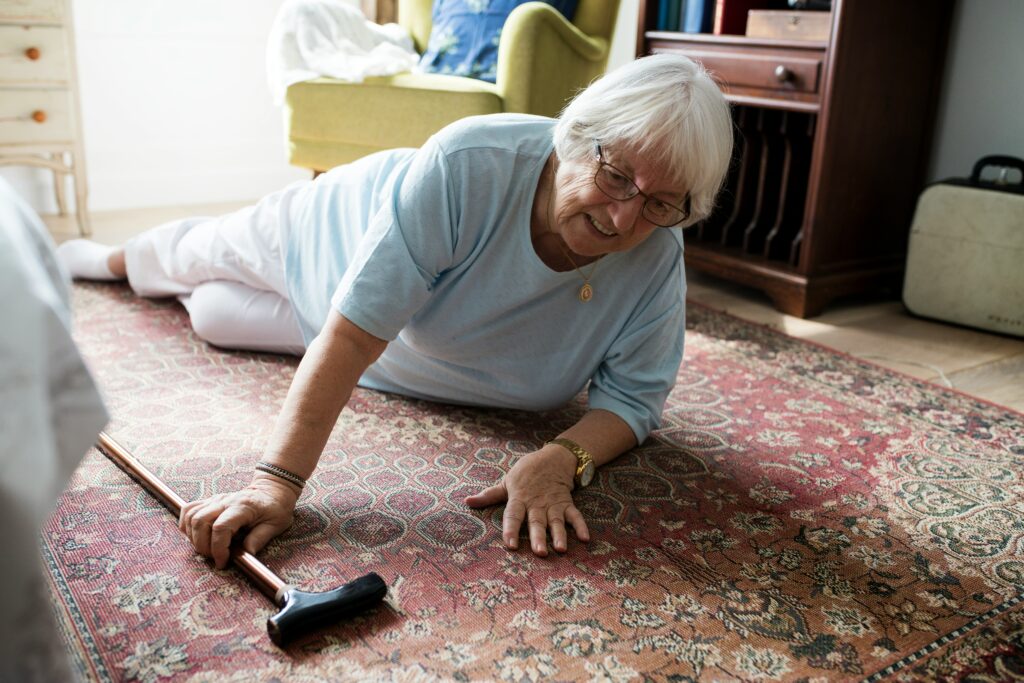
Artificial intelligence is being introduced into health and social care in a wide range of ways. It can be difficult to understand how what can seem an alien and possibly scary concept for many can deliver benefits in a safe, reliable way.
Here are a few stories that aim to show how AI helps older people avoid falls, stay out of hospital and receive diagnoses earlier. The case studies come from UK trials or NHS programmes. You may recognise some of this technology as being familiar and proven, though perhaps not before labelled as AI.
Case 1: Christine, 82 – Preventing repeat falls and helping recovery at home
Technology: AI home-care monitoring and fall-risk prediction
Programme: NHS rollout of Cera AI monitoring
Christine, aged 82, suffered a serious fall which caused a broken femur and shock fracture.
After returning home, her care team began using AI software that tracks health indicators during home visits.
AI was used to monitor
- blood pressure
- heart rate
- temperature
- overall health trends
It analysed data in real time to predict when she was at risk of deterioration or falling again.
Using the system helped prevent further injuries and falls, allowed Christine to return home from hospital faster, and reduced her likelihood of hospital readmission.
The wider programme is used in millions of NHS home-care visits. It is said to predict falls with 97% accuracy, and has reduced hospitalisations by up to 70%.
This is one of the strongest real-world examples showing AI supporting older people to stay safely at home.
Case 2: Edith, 83 – Dementia patient monitored safely at home
Technology: AI sensors and remote monitoring
Programme: NHS MinderCare service
Edith, 83, lives at home with dementia. She had previously experienced falls and breathing problems, resulting in repeated hospital stays.
Sensors were installed in her home to monitor:
- movement patterns
- bed activity using mattress sensors
- environmental and behavioural changes
The system alerts clinicians if something suggests deterioration or risk.
Edith reported:
- increased reassurance knowing hospital teams were monitoring her remotely
- fewer noticeable disruptions compared with frequent in-person checks
- reduced need for repeated hospital admissions
She found it reassuring to know the hospital team are looking out for her at home. She also noted that after initial adjustment, she barely noticed the sensors.
This case highlights how AI is helping dementia patients remain independent while still being monitored safely.
Case 3: Sylvia (via daughter Helen) – Fall prevention in a UK care home
Technology: AI smart lighting and fall-detection system (Nobi)
Programme: NHS-linked care-home pilot in Cumbria
Sylvia was living in a care home and had been falling frequently, causing major concern for her family.
A system was set up that
- detects when residents sit up or stand at night
- automatically adjusts lighting to prevent disorientation
- alerts staff instantly if a fall occurs
Sylvia reportedly did not fall at all after installation. Care staff could respond to falls within two minutes. The pilot prevented around 84% of falls overall.
Case 4: Residents at Richmond Manor care home – Large fall reduction
Technology: AI monitoring and behavioural-risk alerts
Location: Richmond Manor care home, Bedfordshire
Rather than one patient, this trial monitored multiple residents.
Sensors alerted staff when residents were at risk (eg getting out of bed unsafely). The system analysed how falls occurred to improve care planning. As a result:
- falls reduced by 83%
- staff could prioritise high-risk residents at night
- response time to falls dramatically improved
Case 5: Kathryn, 74 – Faster dementia diagnosis through AI screening
Technology: AI analysing blood biomarkers for Alzheimer’s
Trial: UK dementia diagnosis study in Wales
Kathryn began showing confusion symptoms. She underwent two and a half years of testing before receiving a diagnosis.
New AI-driven research combines:
- blood biomarker testing
- AI pattern analysis
The aim is to identify dementia earlier and more accurately.
Although still in trial phase, this approach is expected to:
- shorten diagnosis time significantly
- allow earlier treatment and support planning
Kathryn welcomed the trial after her long diagnostic journey.
This shows how AI may improve early dementia detection, which is currently a major NHS challenge.
Evidence across these real cases — common benefits
Across different patients and trials, AI has appeared to help:
Safety
- major reductions in falls
- faster emergency response times
- earlier illness detection
Independence
- more older people able to stay at home
- reduced hospital admissions
- better recovery after injury
Quality of life
- less intrusive monitoring
- more reassurance for families
- earlier dementia support
Important balance from patient experiences
Even within successful trials, patients and experts note:
- some older people initially find monitoring technology strange or intrusive
- human care is still essential
- AI works best when supporting carers, not replacing them
This article was written with the help of the AI tool ChatGTP, noting sources. If you see any errors, do let us know.
Image from Unsplash+