
Managing Transport Costs While Meeting Modern Business Needs
Collaborative Post
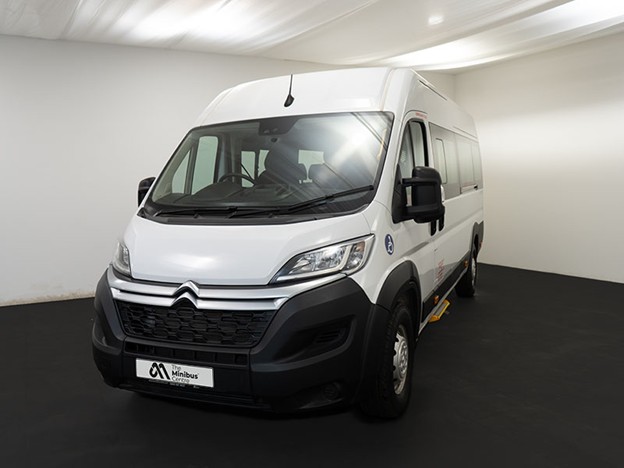
Transport costs remain a major challenge for UK businesses managing group travel. As fuel prices fluctuate and environmental regulations tighten, organisations must balance operational expenses with the practical requirements of moving staff, clients or equipment. Minibuses help cover this need for groups of different sizes, offering a middle ground between standard cars and full-sized coaches. Their versatility makes them suitable for schools, care providers, community organisations and companies with regular team transport needs.
Minibuses have also seen increased interest across the UK as businesses search for options that reduce the number of vehicles on the road while keeping journeys efficient. This shift reflects a wider focus on cost control, sustainability and long-term fleet planning.
The Rising Operational Costs of Business Transport
Rising transport expenses continue to affect organisations of all sizes. Fuel price volatility complicates budgeting and long-term planning, especially for fleets used daily. Many organisations need to find the right minibus for sale to match your seating requirements while maintaining predictable running costs.
Insurance costs have also increased in recent years. Larger vehicles such as 17-seaters attract higher premiums than 9-seaters due to their higher passenger capacity and associated liability. At the same time, commercial insurance markets have tightened, making it more important for businesses to choose models that align with their risk profile.
Maintenance costs add further pressure. Parts shortages, longer repair lead times and rising labour rates mean operators must schedule servicing more strategically. For organisations running time-sensitive services, delays in vehicle availability can lead to lost revenue or disrupted operations.
A structured cost assessment helps identify where a minibus provides better value than running multiple smaller vehicles or relying on ad-hoc transport alternatives.
Rightsizing Fleet Vehicles for Maximum Efficiency
The UK minibus market has grown quickly, offering businesses a wider range of models tailored to specific operational needs, a trend that aligns with broader fleet right-sizing practices. The 9-seater and 17-seater configurations remain the most popular choices thanks to their balance between capacity, pricing and licensing requirements.
Selecting the right size is essential for long-term efficiency. Under-used vehicles increase running costs without delivering enough value, while vehicles that are too small often result in additional trips, higher fuel consumption and scheduling bottlenecks.
Capacity vs Running Costs Analysis
Maintenance needs increase with vehicle size. Higher-capacity models require additional checks on braking, suspension and safety systems because of heavier loads. Current dealer listings show a clear price gap between 9-seater and 17-seater models, reflecting both size and engineering complexity.
A 9-seater offers stronger fuel efficiency and lower insurance, and models under 3.5 tonnes can be driven on a standard driving licence. These factors reduce overall operating costs, making them attractive for small teams, shuttles or regular short-distance routes.
For organisations transporting larger groups, a 17-seater becomes more cost-effective when used consistently at high occupancy. Fewer trips mean lower fuel use per passenger, simplified scheduling and better utilisation of driver time.
A detailed utilisation audit helps determine which configuration delivers the strongest return on investment based on mileage, staffing and passenger patterns, supported by broader fleet cost analysis.
Electric and Hybrid Options Transforming Fleet Economics
Electric minibuses are gaining momentum as more organisations explore low-emission fleet options. Improvements in battery range and charging infrastructure have made electric models a viable option for daily routes, staff transport and community services.
While upfront purchase prices remain higher than diesel equivalents, incentives such as the Plug-in Van Grant help narrow the difference. Lower running costs, reduced servicing needs and exemption from emission-based charges enhance the financial case for electric options.
Charging Infrastructure Planning
Switching to an electric fleet requires planning. Businesses must assess daily mileage, route consistency and charging downtime to ensure operational reliability, especially when transitioning to an electric fleet. Installation costs for charging points vary based on power output, site capacity and the number of vehicles requiring overnight charging.
The Workplace Charging Scheme offers financial support through a voucher system that reduces upfront installation costs. For fleets covering predictable routes, on-site charging enables efficient use of overnight dwell time without interrupting operations.
Real-world range depends on passenger load, weather conditions and climate-control use, so operators benefit from telematics tools that track consumption and optimize charging schedules.
Accessibility Requirements and Cost-Effective Compliance
Minibus operators must comply with accessibility regulations, particularly the Public Service Vehicle Accessibility Regulations (PSVAR). Requirements vary depending on service type, but accessible layouts are increasingly prioritised to ensure inclusive transport across communities.
Wheelchair-accessible models cost more due to the engineering required for ramps, lifts and structural reinforcements, which is influenced by broader wheelchair ramp costs. However, modular interior systems now allow operators to switch quickly between standard seating and wheelchair spaces, improving flexibility without needing multiple vehicle types.
Businesses that provide regular community or passenger-assisted services benefit from choosing vehicles that accommodate diverse mobility needs while maintaining cost-efficient operation.
Choosing the right minibus and managing operating costs effectively helps organisations build a fleet that supports both daily reliability and long-term financial stability. Whether businesses prioritise fuel efficiency, capacity, accessibility or electric adoption, informed planning leads to better performance and fewer unexpected expenses. By analysing usage patterns and selecting models that truly match operational needs, fleet managers create transport solutions that stay efficient, safe and ready for future demands.