
Understanding Different Types of Car Seats
Collaborative Post
Car seats are essential for keeping children safe whenever they travel. They are convenient and necessary for protecting young passengers on short and long journeys. Most parents would not consider leaving home without one, and for good reason.
Understanding the different types of car seats helps parents make informed decisions. Not every seat suits every child, and choosing the wrong one can reduce safety. Selection depends on more than age; weight, height, and proper fit are equally important factors.
Convertible Car Seats
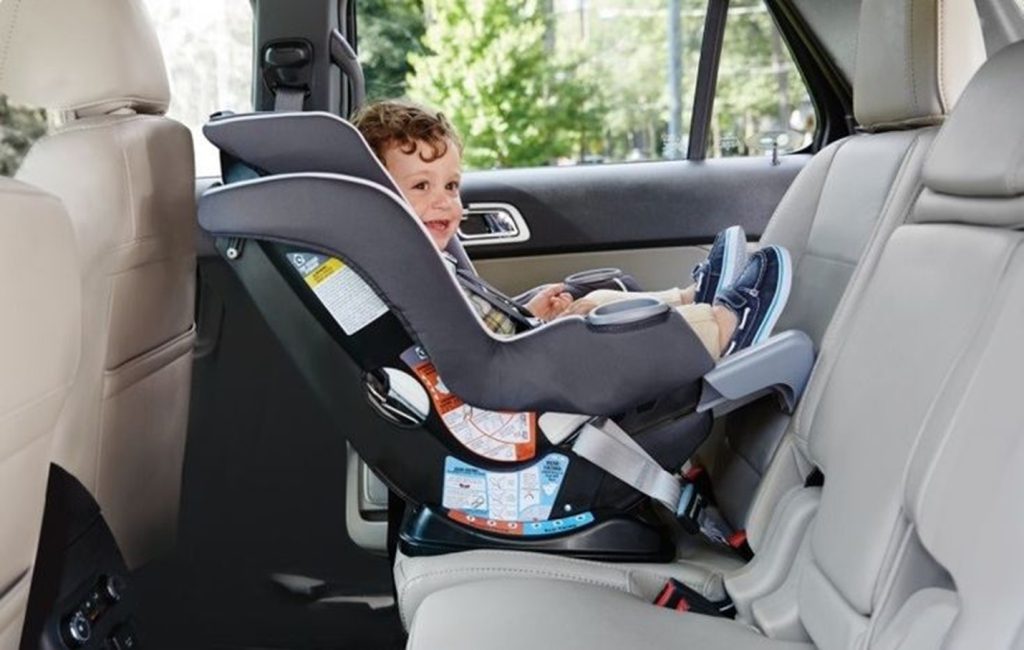
After a child outgrows their infant seat (around six months), a convertible car seat is often the next best option. It begins as a rear-facing seat and can be positioned forward-facing as the child grows. This type of seat is designed to last through several stages of development.
Parents often choose convertible car seats to avoid replacing seats every few months. These models reduce the need for frequent upgrades, although following the specific height limit is essential. Longevity should not be mistaken for universal suitability at every stage.
It is also wise to prioritise models that are simple to install. A seat that is difficult to set up correctly can lead to mistakes, particularly when parents are pressed for time. Features such as clear labels and built-in level indicators can make installation safer and more straightforward.
Infant Car Seats
Infant car seats are designed for newborns and babies up to about six months old or until they have reached the height limit of the seat. They are always rear-facing, which is the safest position for young children. Most include a base in the vehicle while the carrier clips in and out.
Parents often value the convenience of moving the carrier directly from the car to a pram without disturbing a sleeping baby. However, these seats are quickly outgrown, usually within the first year.
It is essential to check that the seat locks securely into the base and that the harness fits snugly. A loose strap or unsecured base reduces the seat’s effectiveness in a crash. Always double-check before every trip.
Booster Seats
When a child has outgrown a forward-facing seat, the next stage is a booster. This type of seat does not have a built-in harness. Instead, it positions the child so the car’s seatbelt rests across the body’s strongest parts, namely the chest and hips.
Before moving a child to a booster, confirm that they have outgrown the height limits of their forward-facing seat. Children should also continue using a booster until the seatbelt fits properly without it -allowing a child to use it too soon can increase the risk of injury in a crash. A booster ensures that the belt remains in the correct position, adding an important layer of safety.
Choosing the Right Car Seat
Choosing the right car seat requires more than checking the age recommendations on the label. Height is a more reliable indicator of proper fit. It is also important to assess the vehicle’s back seat, as some car seats may not fit properly in certain models, particularly those with narrow or contoured seating. A trial fitting in-store or consulting online compatibility guides can be helpful.
Parents should always follow the manufacturer’s instructions carefully. Even the most advanced seat cannot perform properly if installed incorrectly. Common errors include using the wrong strap position or forgetting to secure the tether.
Another important step is checking the expiry date. Materials degrade over time, and older seats may not comply with current safety standards. Reusing a seat from several years ago may pose hidden risks that are not immediately visible.
Final Thoughts
Understanding how each car seat works helps families protect their children whenever they travel. The decision is not about choosing the most expensive seat but rather the most appropriate one for the child and the vehicle. When the seat fits correctly, it provides the level of protection it was designed for.
Taking a few extra minutes to review labels, instructions, and size guides can make a significant difference. These small steps contribute significantly to keeping children safe on every journey.